


Editorial coverage of dairy farming, livestock, staffing, consulting, recruitment, and farm management for rural businesses.
Dairy farm staffing sits at the point where animal care, schedule discipline, and rural labor realities meet. On a working dairy, the right people keep milking times steady, calves fed, equipment cleaned, and records accurate; the wrong fit can ripple through the whole operation in a matter of hours. I write about this topic from a practical editorial angle because staffing is not just a hiring problem. It shapes milk quality, animal welfare, employee retention, and the daily rhythm of the farm.
Why dairy farm staffing became a central farm-management issue
Dairy farming has always depended on people, but the role of staffing has changed. Older family-run barns often relied on a small circle of relatives and neighbors who knew each cow, each gate, and each routine by memory. That model still exists, yet many farms now manage larger herds, more specialized equipment, and tighter compliance requirements. The labor question has become more structured, more formal, and more sensitive to timing.
I see dairy farm staffing as the operational backbone behind the milk tank. A herd can be healthy and the feed ration can be strong, but if the milking parlor is short-handed, the whole schedule strains. Delays affect cow comfort. Missed steps affect hygiene. Fatigue affects judgment. Staffing decisions, then, are not separate from farm management; they are part of it.
From informal help to organized labor
A generation ago, a farm might absorb a labor gap with family members or seasonal helpers. That approach worked when herd sizes were smaller and duties were less specialized. As dairy operations expanded, roles became clearer: milker, herdsperson, calf caretaker, feeder, maternity pen attendant, equipment operator, and relief staff. The language of staffing changed because the work itself became more segmented.
Why the labor conversation feels different on dairy farms
Unlike many other rural jobs, dairy work follows the animals, not the clock alone. Cows need consistency. They do not wait for a shift change to begin lactation, calving, or health issues. That makes staffing both repetitive and urgent. A reliable team is not merely a convenience; it is a form of risk management.
Main types of dairy farm staffing
Not every dairy operation uses labor the same way. A small family dairy may rely on a lean team with broad responsibilities, while a larger herd may need dedicated roles with tighter supervision. I find it useful to think about staffing in categories, because the right model depends on herd size, geography, and management style.
| Staffing type | Typical use | Best fit |
|---|---|---|
| Family labor | Shared daily tasks, flexible coverage | Small to mid-sized farms |
| Full-time hired staff | Milking, feeding, herd care, equipment support | Growing farms with steady routines |
| Seasonal or contract labor | Peak periods, covering absences, short-term needs | Farms with variable labor demand |
| Specialized staff | Herd health, reproduction, calf programs, maintenance | Larger or more technical operations |
Family labor
This is still the most personal form of staffing. It brings trust and familiarity, and people often know the herd history very well. The challenge is that family labor can blur boundaries. Hours stretch. Roles overlap. When everyone is “always on,” burnout can creep in quietly.
Full-time employees
Full-time staff provide continuity. They learn the parlour routine, the animals’ behavior, and the farm’s expectations. Good full-time workers become the stable center of the operation. They also need structure, fair pay, and clear communication, because consistency works both ways.
Contract and relief labor
Contract labor fills gaps. It can be useful during vacations, illness, or seasonal pressure. In a dairy setting, however, temporary workers need strong onboarding because the margin for error is narrow. A person who knows general farm work may still need guidance on cow flow, sanitation, and safety around milking equipment.
Specialized roles
As herds grow, some farms create narrower job descriptions. A calf specialist may focus on feeding and early-life health. A reproduction technician may monitor heat detection and breeding schedules. A maintenance-focused employee may keep pumps, lines, and gates operating. Specialization can improve quality, but it also raises the need for coordination.
How to choose the right staffing model for your dairy
Choosing a staffing model is not about copying a neighboring farm. It starts with your herd, your layout, and your management style. I usually look at the work calendar first: milking frequency, feeding cycles, breeding tasks, cleaning routines, and the level of night or weekend coverage required. The answer often emerges from that schedule.
Match labor to the herd’s daily rhythm
A farm with twice-daily milking and a separate feeding program needs predictable coverage. If one person handles too many jobs, bottlenecks appear. The best staffing plan respects the flow of the day. Morning milking, calf feeding, bedding, parlor wash, feed mixing, and evening checks all deserve enough hands.
Look at the skill mix, not just headcount
A team of five inexperienced workers may be less effective than a team of three with the right experience. I pay attention to whether staff can handle cow movement safely, spot signs of mastitis or lameness, follow sanitation protocols, and operate machinery without constant supervision. Staffing is not only a numbers exercise; it is a competence exercise.
Consider turnover risk
Recruiting and training are expensive. If your farm has a revolving door, the issue may not be the labor market alone. It may also be the work design. Poor scheduling, weak training, unsafe facilities, and unclear accountability all push people away. A thoughtful staffing model reduces avoidable churn.
Use a simple hiring checklist
• Define each role by task, not by vague title
• Separate daily duties from emergency duties
• Identify which jobs need experience and which can be trained
• Set the shift pattern before posting the role
• Write down animal handling and safety expectations
• Plan supervision for the first weeks
• Review pay, housing, transport, and meal logistics
Common use cases where dairy farm staffing makes the difference
The most telling staffing issues appear in ordinary moments. I prefer concrete examples because they reveal what job descriptions often miss. On a dairy, labor needs are not theoretical; they show up in parlor lines, calf pens, feed alleys, and late-night calls.
Milking coverage and parlor flow
If a milker calls out, the schedule can collapse fast. Cows still need to be brought in calmly, units attached correctly, and sanitation followed without shortcuts. The best staffing plans include backup coverage for this exact reason. A parlor runs smoothly when everyone knows who opens, who preps, who washes, and who closes.
Calf care and early-life routines
Calves demand consistency in feeding, bedding, and observation. If calf care is split among people with different habits, outcomes vary. One person may be meticulous with bottle hygiene; another may rush. Staffing plans should assign calf work to people who understand detail and repetition.
Reproduction and herd health support
Breeding windows, heat detection, and veterinary coordination require attentive staff. A good employee can notice subtle changes in behavior or appetite before a health issue becomes visible to everyone else. That kind of observation comes from time, training, and a stable assignment.
Harvest, feeding, and equipment overlap
Dairy operations often overlap with crop and forage work. During silage or haylage periods, labor can shift away from the barn and toward the field. That makes cross-training valuable. A farm with staff who can move between tractor work and barn work has more flexibility when weather or machinery creates pressure.
What strong dairy staffing looks like on the ground
A strong team is not simply busy. It is organized, safe, and predictable. I often notice the difference in small details: how people communicate in the parlor, how equipment is returned, whether the floor stays dry, and whether tasks are handed over cleanly between shifts.
Clear roles and clear handoffs
Good staffing has visible structure. One person knows who checks the tank. Another knows who logs treatments. Someone is accountable for the wash cycle and someone else for the calves. That clarity prevents the classic problem of “I thought someone else did it.”
Respect for routine, with room for judgment
Dairy work benefits from routine, but animals do not always read the schedule. A strong employee knows when to follow protocol and when to flag a concern. If a cow is off feed, if a calf is dull, or if equipment sounds wrong, staff should feel empowered to speak up.
Training that is practical, not theoretical
I favor hands-on training. Show the new hire how the gate opens, where the slippery spots are, which cows are gentle, and which ones need more space. Explain the why after the how. People remember procedures better when they see how the routine protects animals and teammates.
Key signs your staffing model is working
• Fewer missed tasks at shift change
• Calmer cows during milking and movement
• Less equipment misuse and fewer preventable breakdowns
• More accurate records and treatment logs
• Better retention among good workers
• Less manager fatigue from constant firefighting
Practical tips for improving dairy farm staffing without overcomplicating the farm
Not every improvement requires a major restructuring. Some of the best gains come from small adjustments that make the day more workable. I prefer changes that respect the culture of the farm while reducing friction.
Write jobs the way the farm actually runs
A job posting should reflect real duties. If someone will milk, scrape, help with calves, and back up feeding, say so plainly. Vague job ads attract mismatched applicants. Specific descriptions save time on both sides.
Build a short onboarding path
The first week matters. New workers need to learn the parlor, the cows, the routes, the tools, and the farm’s communication habits. A short written orientation sheet can help, but the main value comes from direct supervision and repetition.
Keep schedules visible
In a dairy, hidden scheduling problems become labor problems. A wall calendar, shared phone note, or printed shift board can reduce confusion. People work better when they know who is covering mornings, weekends, holidays, and emergency callouts.
Cross-train with purpose
Cross-training should not mean “everyone does everything badly.” It should mean each person can cover one or two additional tasks during absences or busy periods. That approach protects the farm without diluting expertise.
Pay attention to the human side
Fair wages matter, but so do housing, meals, transport, time off, and respectful supervision. I have seen farms lose excellent people because nobody noticed exhaustion or because the workload kept expanding without a conversation. A stable team tends to come from clear expectations and ordinary courtesy.
Where dairy farm staffing is heading next
The conversation around labor in agriculture keeps moving toward structure, accountability, and retention. Dairy farms want fewer disruptions, better-trained people, and more dependable coverage. That does not mean every farm must become corporate or complicated. It means staffing is being treated as a management discipline rather than an afterthought.
I think the farms that adapt best are the ones that understand people as part of the production system. Animals, feed, buildings, and machinery all matter, but so does the team that keeps them working together. Strong employee retention is often the most economical strategy in the long run, because every experienced worker carries knowledge that cannot be replaced by a quick hire.
A final practical lens
If you are reviewing your own operation, ask three questions: who does the work, who covers absences, and who teaches the next person? Those answers usually reveal whether your dairy farm staffing is resilient or brittle. The most reliable farms I have observed are not the ones with the fanciest structure; they are the ones where people know their roles and trust the routine.
Field work changes, seasons shift, and herds grow. But a clear staffing plan keeps the dairy steady through all of it.
Latest articles
Launching a farm business handbook for B2B readers
Livestock biosecurity practices that prevent disease outbreaks

Agricultural pilot careers in modern farming
How to choose a farm labor contractor

B2B lead generation for agricultural consulting firms
How to improve cash flow on small farms

How to write farm job descriptions

When to hire an agricultural consultant and what they can improve
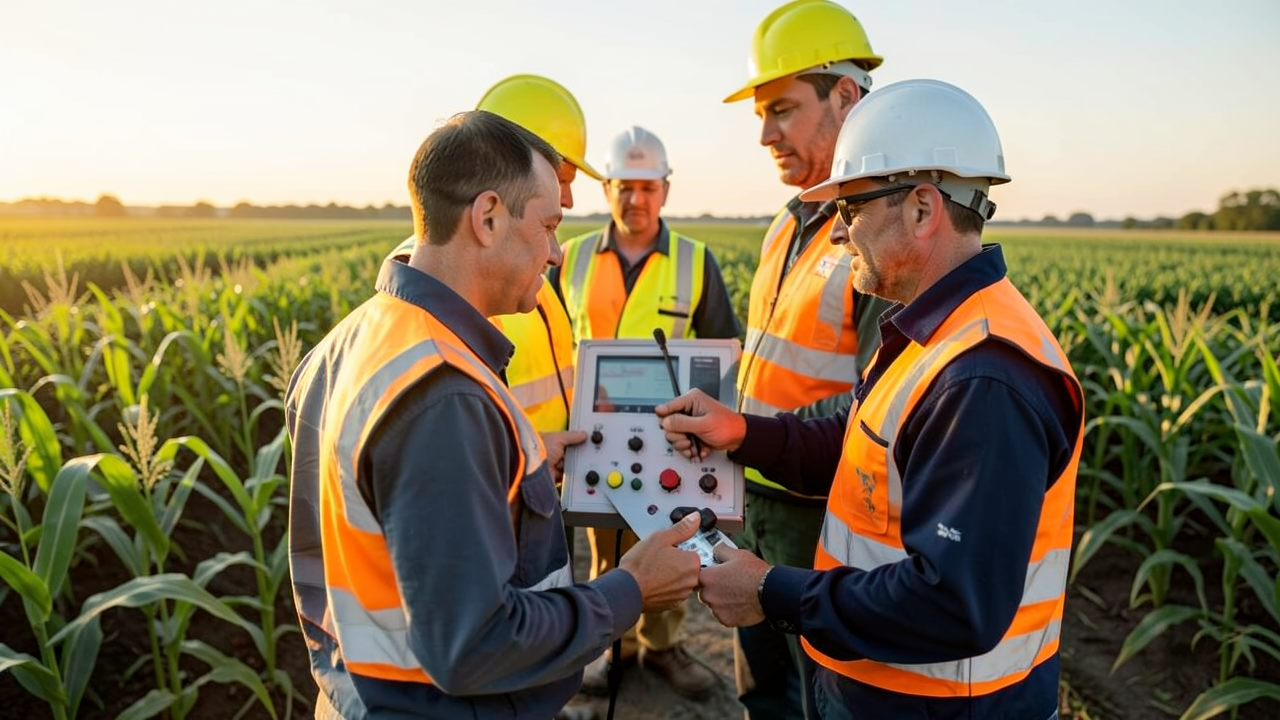
How to Build a Reliable Farm Staff Schedule That Reduces Burnout
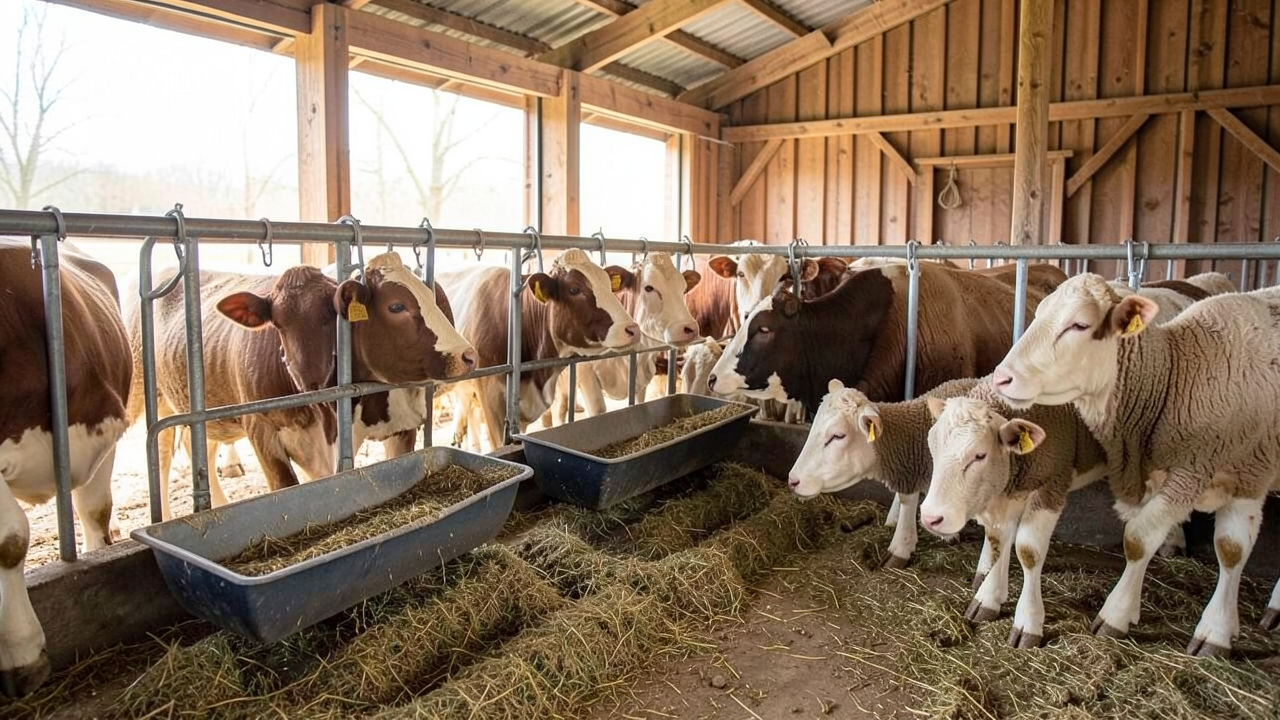
Practical livestock nutrition for better growth and fewer losses
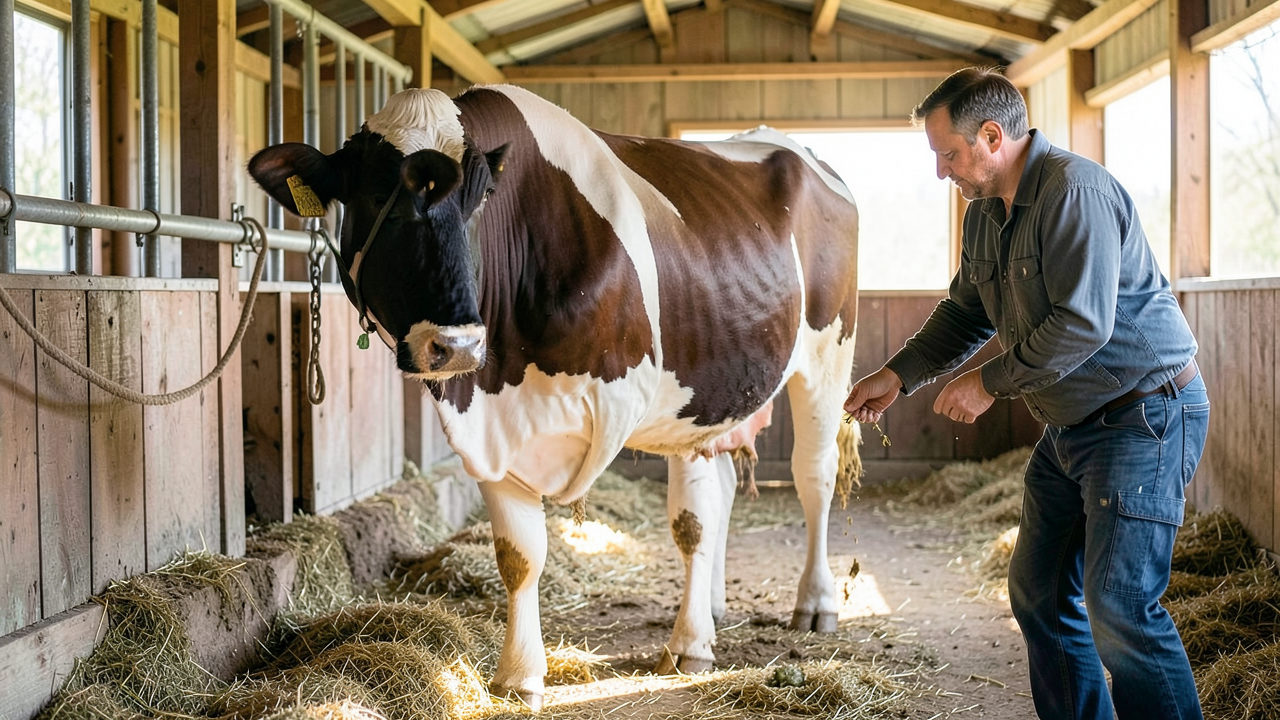
How to improve milk yield without hurting cow health