


Practical livestock nutrition for better growth and fewer losses
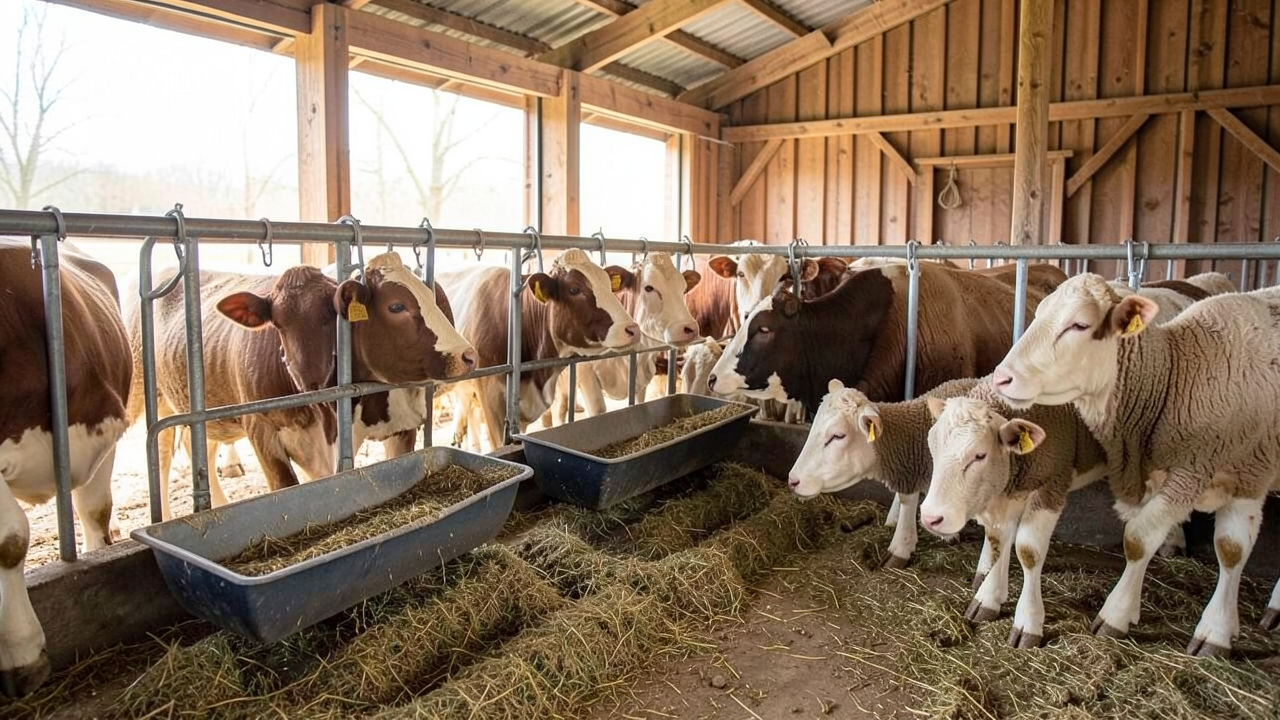
Good livestock performance starts with what I put in the trough. When I plan livestock nutrition carefully, I see better animal growth, steadier herd health, and fewer losses from sickness, stress, and poor feed conversion. Good feeding is not only about filling stomachs; it is about matching nutrients to each class of animal, each stage of growth, and each seasonal challenge. If you manage feed with more precision, you can protect margins while improving daily weight gain, reproduction, and resilience.
Why nutrition shapes performance
Animals turn feed into body mass, milk, wool, eggs, and offspring. When the ration is unbalanced, the effects show up fast: slow growth, weak immune response, poor fertility, and uneven weight gain. I have found that the biggest gains often come not from adding more feed, but from improving feed management.
The link between feed and losses
Losses in livestock systems often start long before an animal dies or stops growing. Poor nutrition can lead to:
- lower feed intake
- digestive upset
- metabolic disorders
- weaker disease resistance
- reduced fertility and survival
- slower recovery after stress
A well-built feeding program helps me reduce these risks by keeping nutrients consistent and appropriate for the animal’s needs.
Start with the animal, not the feed
A common mistake is to buy feed first and then try to fit animals around it. I prefer the opposite approach: I define the animal’s needs, then build the ration.
Match nutrients to class and stage
Young animals need more protein, energy, vitamins, and minerals relative to body size because they are building tissue quickly. Pregnant and lactating females need support for fetal development and milk production. Finishing animals need energy density for weight gain. Breeding animals need a balanced diet to maintain body condition and reproductive performance.
I ask myself three questions before changing a ration:
- What species and class am I feeding?
- What is the production goal?
- What is limiting performance right now?
That simple check often prevents waste and underfeeding.
Watch body condition closely
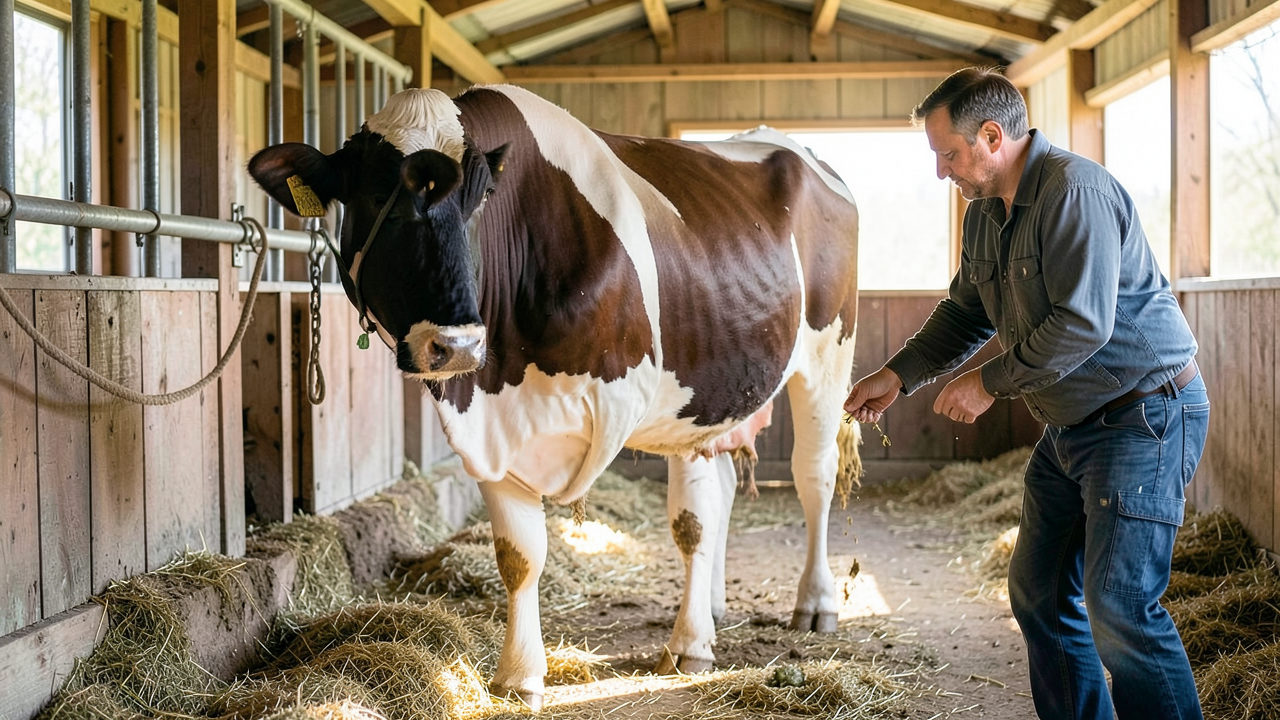
Body condition scoring gives me a practical way to judge whether nutrition is working. Thin animals may lack energy or protein, while overly fat animals can face reproduction and metabolic problems. Regular scoring helps me adjust feed before losses appear in the barn or field.
Build a balanced ration
A strong feeding program is based on balance, not guesswork. Animals need energy, protein, fiber, vitamins, minerals, and clean water in the right proportions.
Energy and protein
Energy drives growth and maintenance. If energy is too low, animals use feed inefficiently and lose condition. Protein supports muscle development, immune function, and production. Too little protein slows growth; too much can increase cost and waste.
I aim for nutrient balance, not maximum inclusion of one ingredient. That approach improves both performance and feed cost control.
Fiber and digestion
Ruminants depend on fiber to keep the rumen functioning well. If I push too much grain too quickly, I risk acidosis, reduced chewing, and lower intake. Adequate forage length and quality help stabilize digestion and support more consistent growth.
Minerals and vitamins
Micronutrients are small in quantity but large in effect. Deficiencies in calcium, phosphorus, sodium, selenium, copper, zinc, or vitamin A can reduce growth, fertility, or immunity. I check mineral programs against local forage and water conditions, because regional variation can be strong.
Improve feed management on the farm
Even a good ration can fail if delivery and storage are weak. I treat feed management as part of animal health, not just logistics.
Protect feed quality
Feed should stay dry, clean, and free from mold, insects, and spoilage. Contaminated feed lowers intake and can trigger illness. I inspect storage areas regularly and rotate stock so older feed is used first.
Keep water available and clean
Water is often overlooked, yet it directly affects intake, digestion, and growth. Dirty or limited water access can reduce feed consumption and slow performance. I regard water as the first nutrient.
Feed consistently
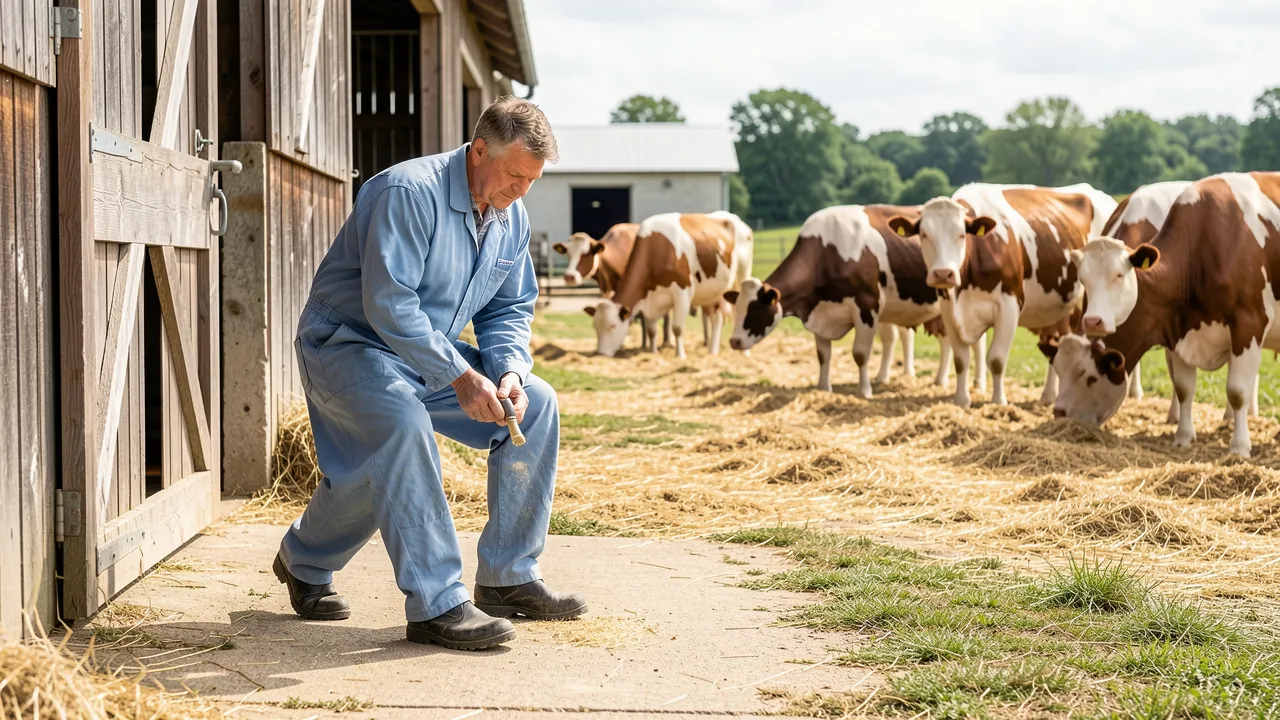
Animals respond well to routine. Regular feeding times, uniform mixing, and accurate weighing reduce stress and support stable intake. Sudden changes in ration composition should be introduced gradually so digestive systems can adapt.
Reduce waste
Simple changes can improve efficiency:
- adjust trough height or feeder design
- avoid overfilling feeders
- match particle size to species and age
- monitor refusals and leftovers
- train staff to measure feed accurately
These practices help me turn more of the ration into gain instead of waste.
Use observation as a management tool
Laboratory analysis and ration formulation matter, but daily observation tells me whether the system is actually working.
Signs that nutrition needs review
I look for:
- uneven growth within a group
- rough coat or poor feathering/wool quality
- reduced appetite
- loose manure or very firm manure
- poor fertility or irregular cycling
- more sick animals than usual
When several of these appear together, I review the ration, forage quality, and feeding routine before making bigger assumptions.
Record what changes
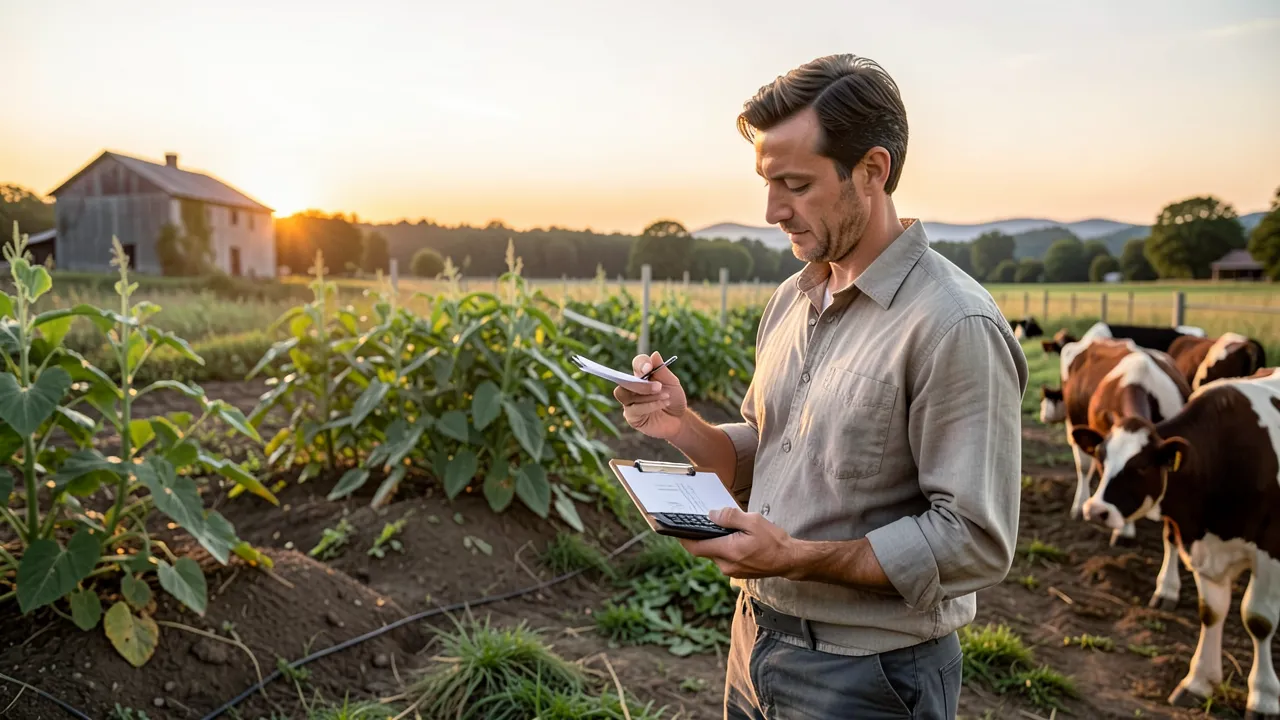
I keep simple records of feed offered, feed refused, weight gain, health treatments, and mortality. Over time, those records show which changes improve livestock health and which ones only add cost.
Practical priorities for better results
If I were improving a herd or flock from the ground up, I would focus on these priorities first:
- test feeds and forages when possible
- balance rations for the correct animal class
- provide constant access to clean water
- protect feed from spoilage and contamination
- introduce ration changes slowly
- monitor body condition and growth regularly
- record health events alongside feed changes
These steps do not require a perfect system. They require attention and consistency.
Feeding for growth with fewer losses
Better livestock nutrition is one of the most reliable ways I know to improve animal growth and reduce avoidable losses. When I manage feed with discipline, I support digestion, immunity, fertility, and daily performance at the same time. The goal is not to feed more; the goal is to feed smarter, with enough precision to match nutrients to need. That approach pays off in healthier animals, stronger growth, and fewer setbacks across the production cycle.
- Balance the ration for species, age, and production stage.
- Protect feed quality through storage, cleanliness, and rotation.
- Treat water as a nutrient and keep it available at all times.
- Monitor body condition and growth to catch problems early.
- Use records to connect feeding changes with health and performance.
- Reduce waste with good feeder design and accurate measuring.
If you keep these basics in focus, you create a more resilient feeding program and a better return from every kilogram of feed.