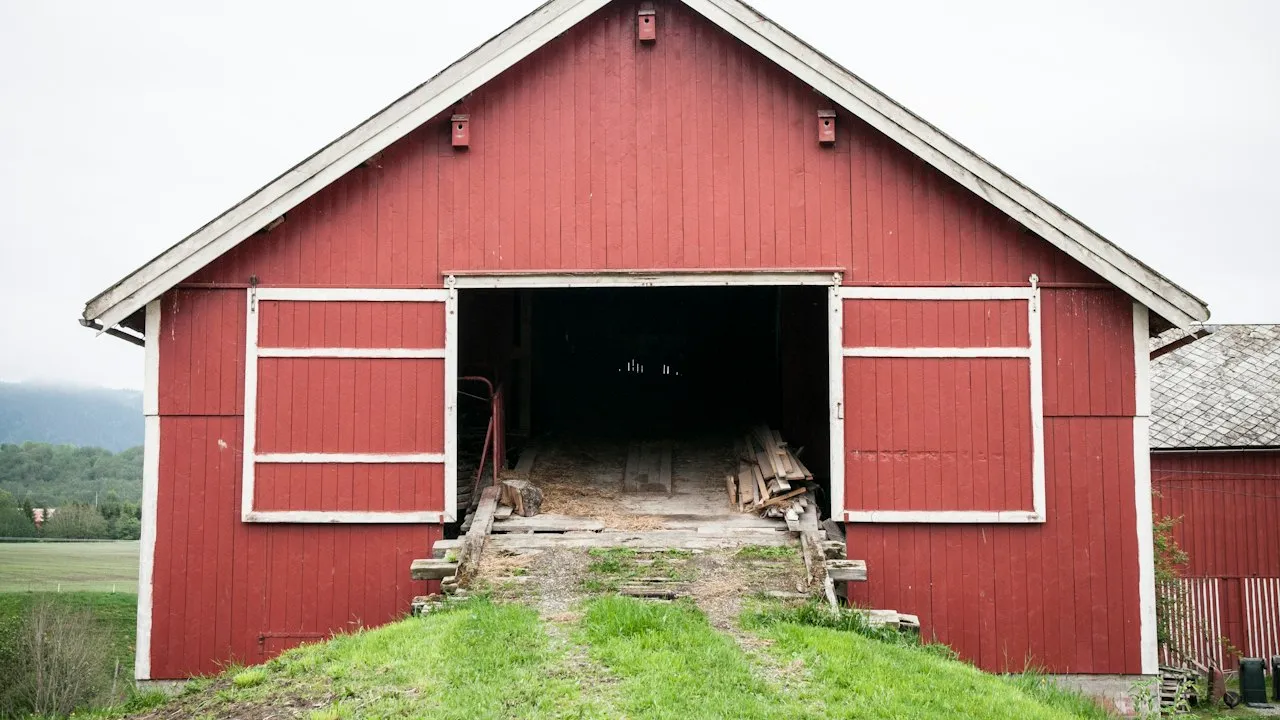



Essential farm management practices for better productivity and profit
Strong farm management is the difference between a farm that merely survives and one that steadily grows in productivity, profitability, and resilience. When I look at successful farms, I usually see the same pattern: clear planning, disciplined record-keeping, smart input use, and a willingness to adjust when conditions change. Good farming is not only about working harder; it is about making better decisions with time, land, labor, and capital. For you, that means building a system where every activity supports operational efficiency and long-term profit.
Build a clear farm plan
A farm without a plan often ends up reacting to problems instead of preventing them. I prefer to start with a simple annual plan that covers crop choices, livestock targets, labor needs, equipment use, and expected cash flow.
Set measurable goals
Your goals should be specific enough to guide action. For example, you might aim to:
- raise yield per hectare,
- reduce feed waste,
- lower fuel and fertilizer costs,
- improve harvest timing,
- increase net profit per unit sold.
When goals are measurable, you can compare results over time and see whether your farm management decisions are working.
Match the plan to your resources
A strong plan reflects reality. If labor is limited, choose practices that fit your workforce. If water is scarce, prioritize irrigation efficiency and drought-tolerant varieties. The best plan is the one that can actually be executed consistently.
Keep accurate records
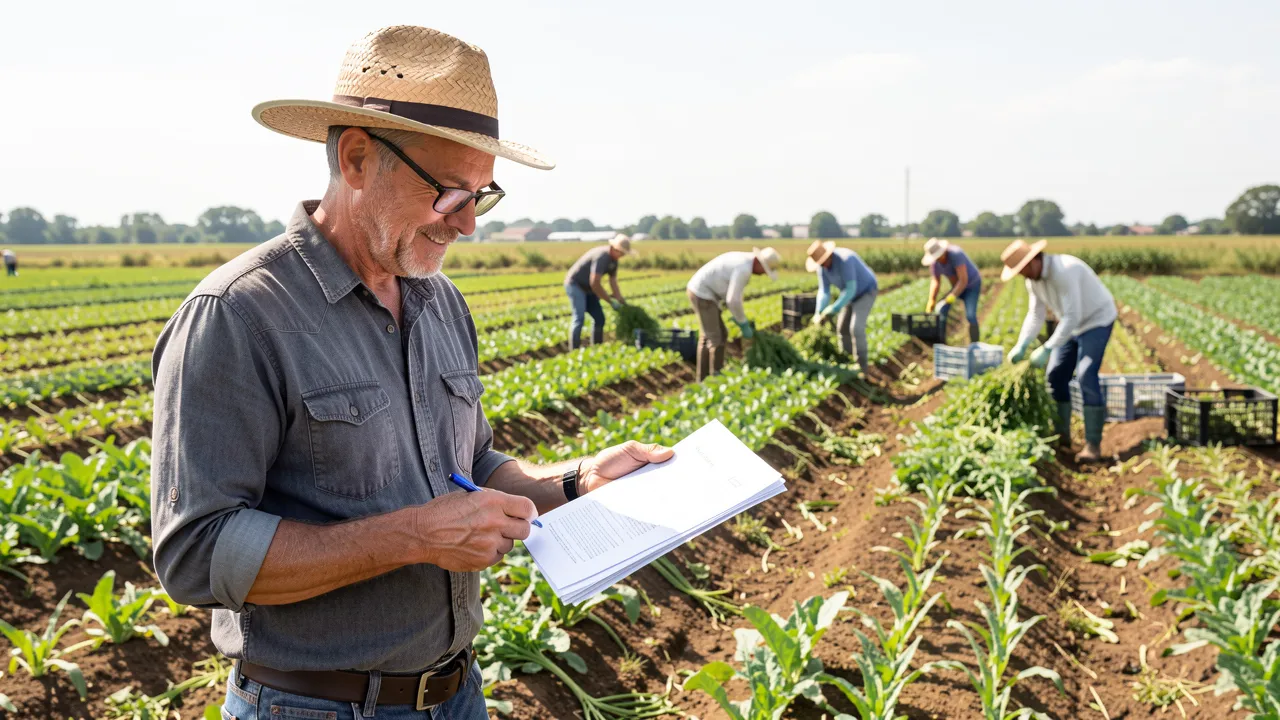
Record-keeping is one of the most overlooked drivers of farm profitability. I have seen many farms struggle simply because no one could answer basic questions like: Which field performed best? Which input gave the best return? Which enterprise lost money?
Track both costs and outputs
At minimum, I recommend tracking:
- seed, feed, fertilizer, and pesticide costs,
- labor hours,
- fuel and maintenance expenses,
- yields, weight gain, or milk output,
- selling prices and buyer details.
These records reveal where money is being lost and where returns are strongest. They also improve decision-making for the next season.
Use records to compare seasons
One season alone does not tell the whole story. Weather, pests, and market prices change. By comparing records over several seasons, you can identify patterns and make better choices about variety selection, timing, and input levels.
Improve soil and water management
Soil and water are the foundation of farm productivity. If they are mismanaged, no amount of extra spending will fully compensate.
Protect soil health
Healthy soil supports stronger crops and lower input dependence. I focus on practices such as:
- crop rotation,
- cover cropping,
- compost or manure application,
- reduced soil disturbance where appropriate,
- erosion control along slopes and waterways.
These practices help maintain fertility, improve structure, and support better root growth.
Use water wisely
Water efficiency directly affects yield and cost. For irrigated farms, I recommend checking for leaks, using scheduling tools, and avoiding overwatering. For rainfed farms, moisture conservation through mulching, soil cover, and timely cultivation can make a major difference.
Manage labor and equipment efficiently
Labor and machinery are often among the biggest cost centers on a farm. Better coordination here can produce immediate gains in operational efficiency.
Assign work clearly
Workers perform better when responsibilities are well defined. I like to organize tasks by priority, skill level, and timing. This reduces confusion, avoids duplication, and helps each person work more productively.
Maintain equipment regularly
A breakdown during planting or harvest can be expensive. Preventive maintenance lowers downtime and extends equipment life. Simple habits such as cleaning, lubrication, calibration, and scheduled servicing can save both time and money.
Plan around peak periods
Farm operations often become strained during planting, spraying, feeding, or harvest windows. If you prepare labor and equipment ahead of time, you reduce delays and losses. Timeliness alone can improve output and market quality.
Make input use more precise
Input costs can rise quickly, especially when fertilizer, feed, and chemicals are used without a clear strategy. Better input management supports both yield and margin.
Apply inputs based on need
I prefer input decisions based on field conditions, soil tests, animal performance data, or crop growth stage. Blanket application may feel simpler, but it often wastes money and can damage long-term productivity.
Avoid overuse
Using more does not always mean getting more. Excess fertilizer can reduce soil balance, while unnecessary pesticide use may increase resistance and harm beneficial organisms. Efficient use protects both the farm budget and the production system.
Strengthen marketing and cash flow
A productive farm can still struggle if it sells poorly or runs out of cash. Profit depends not only on production but also on timing, pricing, and market access.
Know your buyers
I encourage you to understand who buys your products, what quality they want, and when they need supply. Strong buyer relationships can lead to better pricing, repeat sales, and lower marketing risk.
Manage cash flow carefully
Even profitable farms can face short-term shortages. Keep an eye on when money goes out and when revenue comes in. If possible, stagger purchases, avoid unnecessary debt, and hold a reserve for emergencies. This gives you more flexibility when prices or weather shift unexpectedly.
Use technology where it adds value
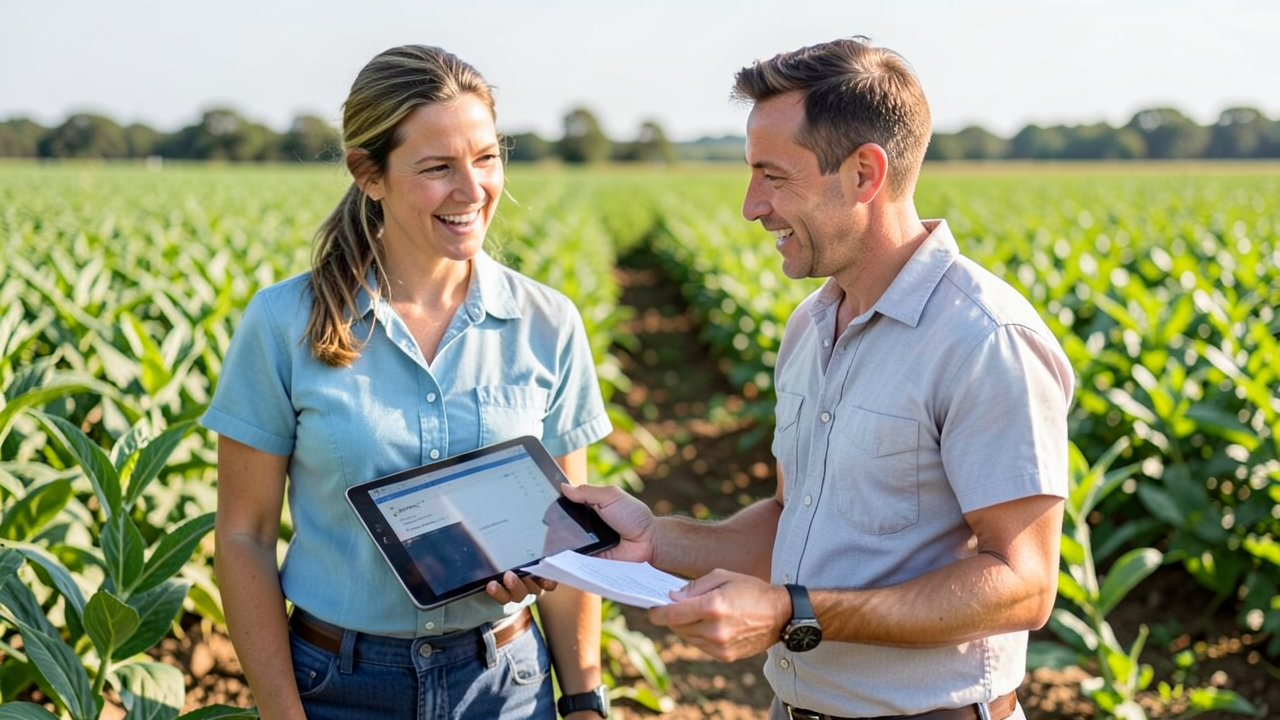
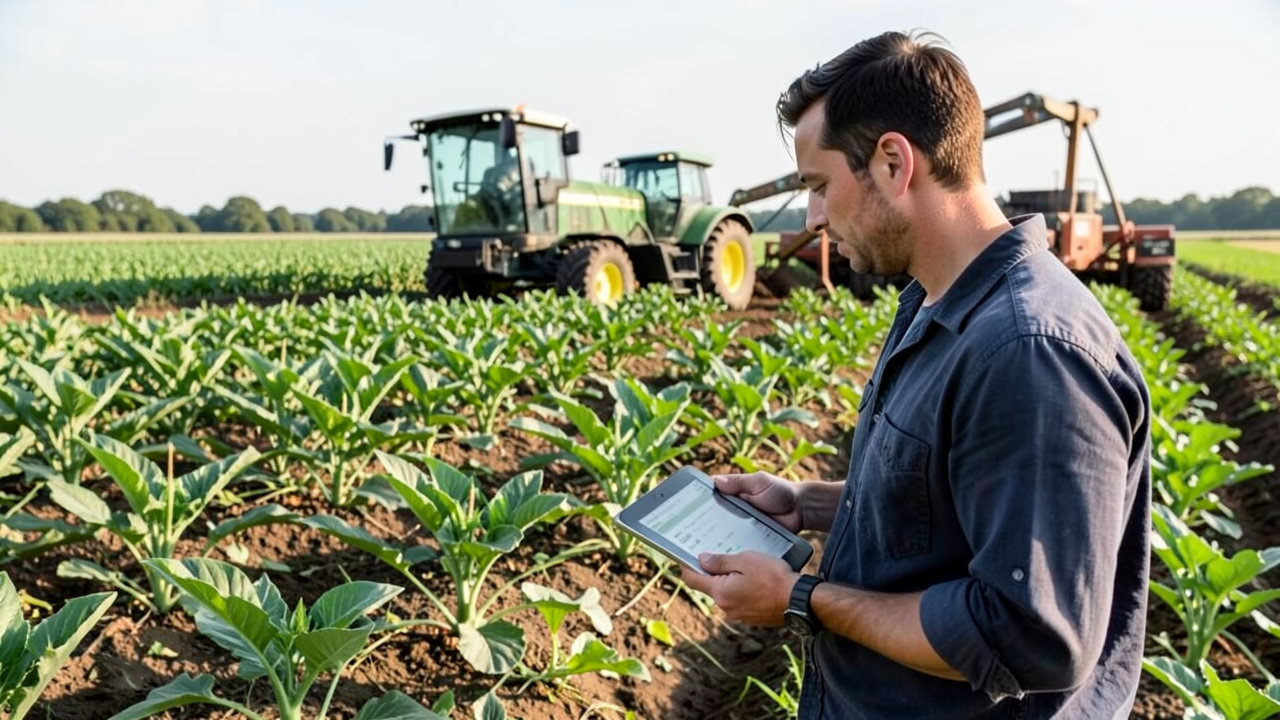
Technology does not need to be expensive to be useful. In many cases, simple digital tools improve farm productivity by making information faster and more accurate.
Practical tools that help
You might use:
- mobile record-keeping apps,
- weather forecasts,
- soil testing services,
- GPS or mapping tools,
- automated irrigation controls,
- market price alerts.
The right tool should save time, reduce waste, or improve decisions. If it does not, I would question the investment.
Monitor performance and adjust
The best farms are managed as learning systems. They are not perfect, but they are responsive.
Review results regularly
I recommend checking performance monthly or at key production stages. Ask yourself:
- Are costs rising faster than output?
- Which field or enterprise is performing best?
- Where are delays or losses occurring?
- What should be changed next cycle?
Regular review turns farm management from routine work into informed leadership.
Key practices that drive better results
Here is a quick summary of the most effective habits:
- Plan with clear targets for crops, livestock, labor, and cash flow.
- Keep accurate records of costs, yields, and sales.
- Protect soil and conserve water to support long-term output.
- Organize labor and machinery to reduce delays and downtime.
- Use inputs precisely to cut waste and improve returns.
- Market strategically and watch cash flow closely.
- Adopt useful technology that improves decision-making.
- Review performance often and adjust when needed.
A practical path to higher farm returns
Better farm management is not about doing everything at once. I find that steady improvement works best: choose one weak area, fix it, measure the results, and then move to the next. Over time, these small gains add up to stronger farm profitability, higher operational efficiency, and more resilient production.
If you manage your farm with clear goals, accurate records, and disciplined follow-through, you position yourself for better results in both good seasons and difficult ones. That is how farm productivity becomes a reliable business advantage, not just a short-term outcome.