


When to hire an agricultural consultant and what they can improve
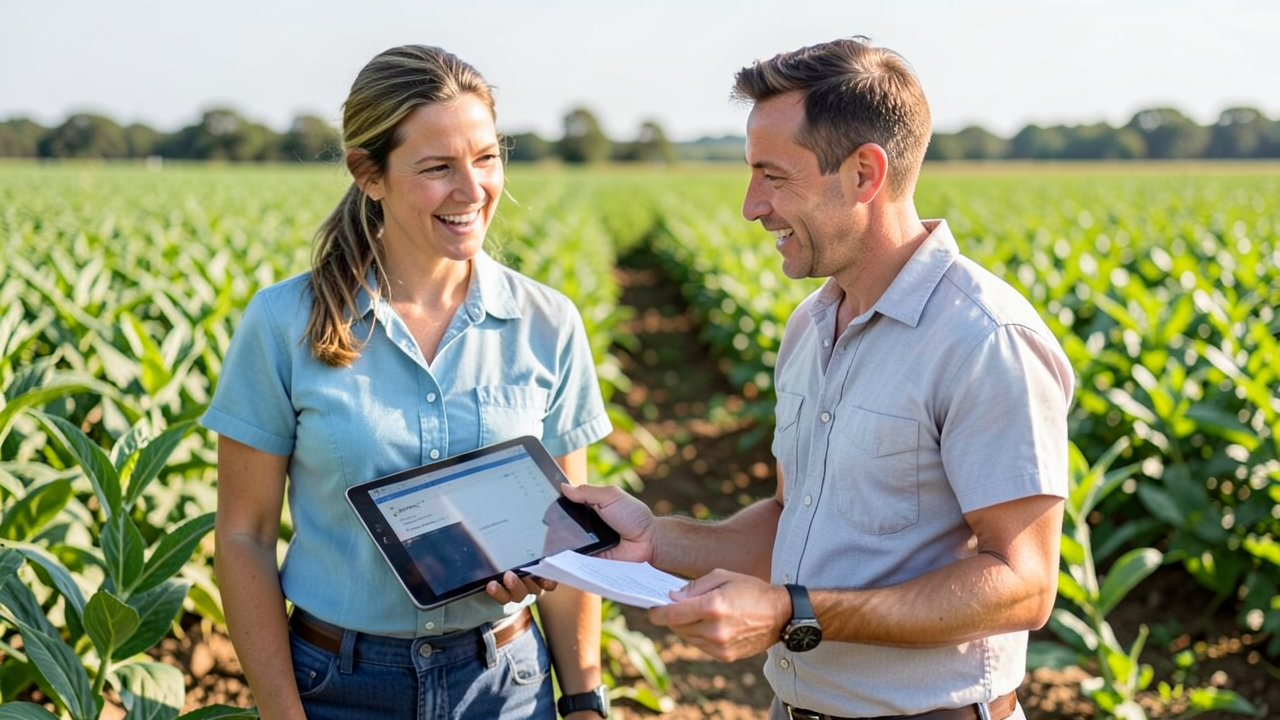
Running a farm today means balancing production, labor, weather, markets, regulation, and technology at the same time. I have seen many operations reach a point where hard work alone no longer solves the next problem. That is often the moment when an agricultural consultant becomes worth considering. A good consultant does not replace the farmer’s judgment; they bring structure, outside perspective, and practical methods that can improve farm efficiency, strengthen business planning, and lift overall farm performance.
Signs that you may need outside expertise
The clearest signal is usually persistent pressure. If yields are stagnating, costs are rising faster than revenue, or decisions keep getting delayed because the numbers are not clear, I would start asking whether outside support could help. Many farms wait until a problem becomes urgent, but a consultant can also be useful before a crisis begins.
Repeated operational bottlenecks
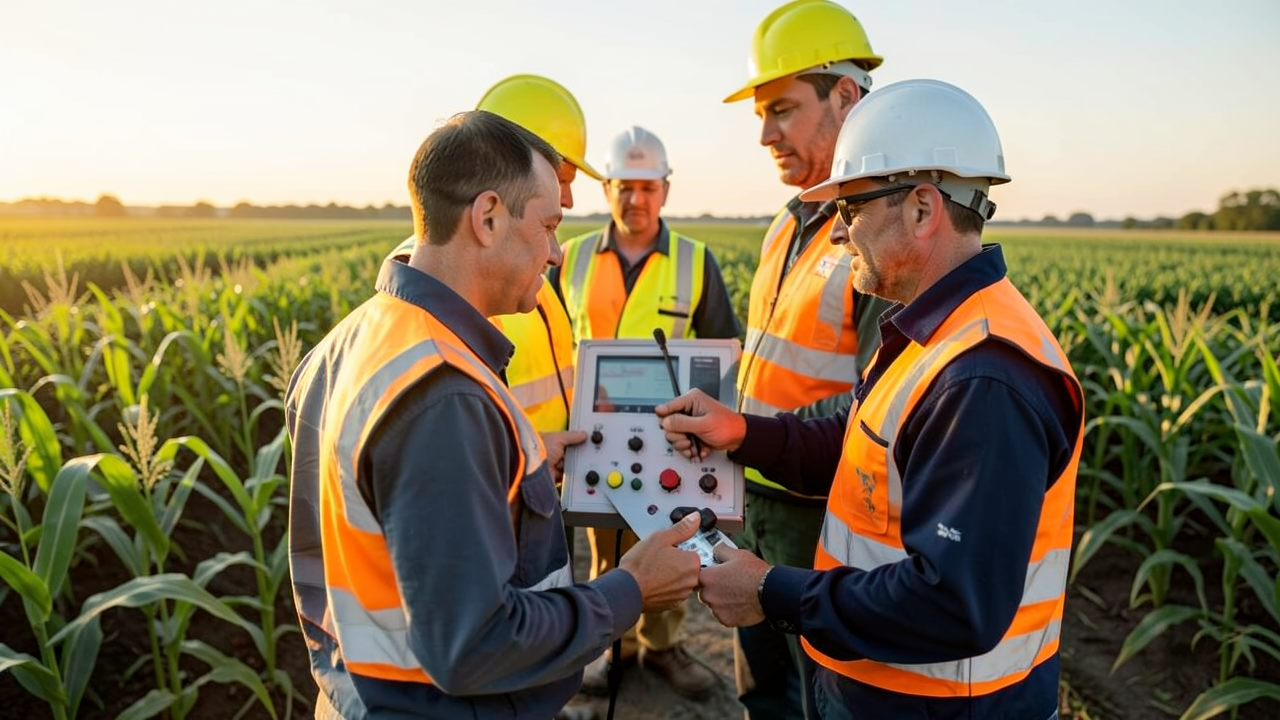
When the same tasks keep causing delays — harvest coordination, input ordering, labor scheduling, equipment use, or storage management — the issue may be less about effort and more about process. An agricultural consultant can map these bottlenecks and identify where time and money are being lost.
Unclear financial direction
If you know your farm is busy but cannot confidently answer which enterprise is most profitable, you may need help with business planning. Consultants can analyze cash flow, cost structures, debt load, and margin performance so you can make decisions with clearer evidence.
Growth without a roadmap
Expansion can create hidden risks. Adding acreage, livestock, irrigation, or new crop lines changes the financial and operational picture. I would recommend outside guidance when growth is being considered, because a consultant can test whether the plan is realistic before major capital is committed.
What an agricultural consultant can improve
An effective consultant looks at the farm as a system. That means they do not focus on one isolated issue; they examine how labor, soil, equipment, finance, and market strategy affect one another.
Farm efficiency
One of the strongest benefits is improved farm efficiency. That may include better field routing, reduced downtime, tighter input timing, or more disciplined inventory control. Small gains in daily operations often create large annual savings.
A consultant may help you:
- reduce wasted fuel, fertilizer, seed, or feed
- improve labor allocation across peak seasons
- streamline equipment scheduling and maintenance
- identify underused assets
- redesign workflows for faster execution
Farm performance
A consultant can also help improve farm performance by connecting operational choices to measurable outcomes. That might mean tracking yield variability, benchmarking against similar farms, or reviewing animal health, crop rotation, or soil management practices. I find that performance improves fastest when decisions are linked to data rather than habit alone.
Business planning
Strong business planning is another area where outside expertise pays off. Many farms are excellent at production but less comfortable with strategic planning. A consultant can help build annual budgets, multi-year forecasts, contingency plans, and investment analyses. That support becomes particularly valuable when markets are volatile or credit decisions are on the table.
When the timing is right
There are specific moments when hiring an agricultural consultant tends to make the most sense.
Before a major change
If you are considering a merger, land purchase, new enterprise, irrigation project, automation investment, or major herd expansion, I would strongly suggest getting advice first. The consultant can help you assess risks, compare options, and estimate payback periods.
When performance stops improving
Sometimes a farm reaches a plateau. The operation is functioning, but gains have stalled. At that stage, an outsider can spot blind spots that are difficult to see from inside the day-to-day routine.
During transition or succession
Family transitions, partnership changes, and succession planning often expose gaps in governance, financial clarity, and communication. A consultant can bring structure to conversations that may otherwise become emotional or fragmented.
When compliance and risk increase
Regulatory requirements, environmental standards, and market traceability expectations continue to rise. If compliance issues are becoming more frequent or stressful, a consultant may help you build better documentation, monitoring systems, and risk controls.
How to get value from the relationship
Hiring the right person matters, but so does using the relationship well. I have found that the best results come when the farm owner or manager enters the process with a clear goal.
Define the problem first
Before you hire anyone, identify the exact issue you want solved. Is it profit margin, labor turnover, production inconsistency, debt pressure, or expansion planning? A focused brief helps the consultant deliver relevant work instead of general advice.
Ask for measurable outcomes
A strong consultant should be able to explain what success will look like. That might include lower input costs, improved yield stability, better cash flow, or a clearer enterprise structure. Measurable outcomes keep the work practical.
Share the real data
Consulting works best when the information is honest and complete. Partial records can lead to weak recommendations. If the consultant cannot see the full picture, they cannot improve it properly.
Choosing the right consultant
Not every consultant fits every farm. Technical knowledge is valuable, but so are communication style, familiarity with your production model, and the ability to turn analysis into action.
Look for relevant experience
A consultant who understands your type of operation will usually be more effective than someone with broad but shallow experience. Crop farms, dairy systems, mixed enterprises, and livestock operations each have different pressures and decision cycles.
Ask how they work
You should know whether they rely on field observation, financial analysis, benchmarking, data tools, or team workshops. The best consultants combine observation with evidence and avoid offering generic answers.
Evaluate whether they teach, not just advise
I prefer consultants who help the farm team learn. If the only outcome is a report that sits on a shelf, the value is limited. A good consultant builds internal capability so improvements continue after the engagement ends.
A practical way to think about the investment
Hiring an agricultural consultant is not an admission that a farm is failing. It is often a sign of good management. If the advice helps prevent a bad purchase, reduce recurring losses, or improve planning around labor and capital, the return can be significant.
You are not paying for opinions alone. You are paying for better decisions, clearer priorities, and a more disciplined path to stronger farm performance.
Key takeaways for farm owners and managers
- Hire an agricultural consultant when problems repeat, decisions stall, or growth needs structure.
- Use consulting to improve farm efficiency through better processes, labor use, and resource control.
- Seek support for business planning before expansion, succession, or major investment.
- Expect help with farm performance through data analysis, benchmarking, and practical recommendations.
- Choose a consultant with relevant experience, clear methods, and a focus on measurable results.
A farm does not need to wait for a breakdown before asking for expert input. In my view, the best time to bring in an agricultural consultant is when you want to move from reacting to managing with purpose.