


How to write farm job descriptions
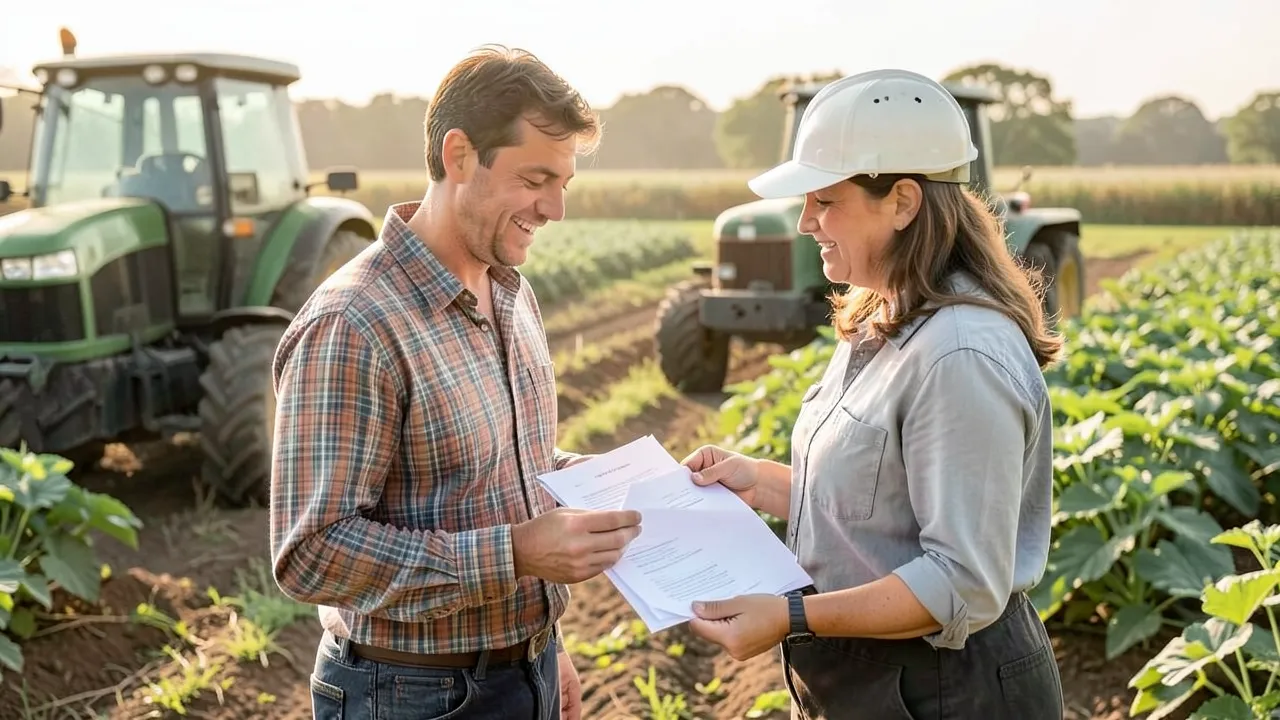
Writing farm job descriptions is less about filling a vacancy and more about setting up the right working relationship from day one. In agriculture, where tasks shift with the season, the weather, and livestock needs, a clear job description helps you attract people who understand the pace of farm life and can adapt to it. It also saves time later, because candidates know what the role asks of them before they apply.
A strong description does more than list duties. It explains the purpose of the role, the type of farm environment, the skills required, and the standards expected. When you write with clarity, you reduce misunderstandings, improve the quality of applications, and make onboarding easier.
Start by defining what the role really needs.
Before writing anything, step back and look at the actual gap you are trying to fill. A dairy farm assistant, a tractor operator, and a herd manager may all work on the same holding, yet their responsibilities and decision-making levels are very different. If you blur those differences, applicants may self-select badly, and you may end up interviewing people who are either overqualified or underprepared.
Separate daily tasks from wider responsibilities.
A useful approach is to divide the role into three parts: routine duties, seasonal duties, and accountability. Routine duties might include milking, feeding, fencing checks, machinery cleaning, or bedding livestock. Seasonal duties may involve calving support, silage work, spraying, lambing, or harvest shifts. Accountability refers to the standard of work, record keeping, and reporting lines.
This structure helps applicants picture the rhythm of the job rather than seeing a random checklist. It also helps you judge whether the role needs someone hands-on, someone supervisory, or someone capable of independent decisions.
Use plain language that reflects farm reality.
Job descriptions work best when they sound practical, not corporate. Many candidates in agriculture respond better to direct wording than to polished but vague phrases. Say what the person will do, what tools or animals they will work with, and what conditions they should expect.
If the role includes early starts, weekend duties, variable weather exposure, or long busy periods, say so clearly. That kind of honesty improves retention because applicants understand the demands before they commit. It also makes your operation look more trustworthy.
For broader workforce planning, you may also find useful ideas in How to Build a Reliable Farm Staff Schedule That Reduces Burnout, especially if the new hire will work across changing shifts or seasonal peaks.
Describe the working environment without overpromising.
A farm is not a standard office, and candidates usually know that. Still, your description should give enough detail to help them assess fit. Mention whether the site is dairy, arable, mixed, poultry, beef, or sheep. Note whether the farm is family-run, highly mechanised, or focused on high animal welfare standards. If accommodation is included, say what it offers. If the role involves lone working, stockmanship, or regular machine use, spell that out too.
Write the responsibilities in a way people can act on.
A good list of duties is specific enough to be useful but not so long that it becomes exhausting to read. Aim for clarity, sequence, and relevance. Start with the core tasks that define the role, then add secondary responsibilities.
Focus on outcomes, not only tasks.
Instead of saying “help with cows,” say “support daily milking routines and maintain high hygiene standards in the parlour.” Instead of “do field work,” say “operate tractors and implements safely for cultivation, feeding, and crop movement.” This tells candidates what success looks like.
Outcome-based wording also helps you assess performance later. A person may complete a task, but the real question is whether the work meets farm standards, protects animals, and supports productivity.
If the role touches herd performance, nutrition, or milk quality, a reference to How to improve milk yield without hurting cow health can inform how you frame expectations around animal care and production balance.
Be clear about skills, experience, and attitude.
Farm employers often ask for “good experience” or “a strong work ethic,” but those phrases are too vague to guide applicants. Break requirements into essential and desirable categories. Essential criteria might include a full driving licence, previous livestock handling, machinery competence, or basic record keeping. Desirable criteria could include quad bike experience, parlour work, artificial insemination support, or telehandler certification.
Include soft skills that matter in agriculture.
Technical ability matters, but so does temperament. Farm work often involves teamwork, problem solving, patience, and calm decision-making. If the role demands communication with family members, contractors, vets, or seasonal staff, mention that. If you need someone who can work independently after training, say that as well.
You can also note whether the person should be comfortable learning new systems, following welfare protocols, or reporting issues early. Those details attract applicants who fit the culture of the farm, not just the task list.
Make the advert attractive without losing honesty.
A job description should sell the role, but only through truthful detail. Mention what makes the job appealing: varied work, responsibility, livestock care, modern equipment, training opportunities, or the chance to grow within the business. If you offer development, say how that works. If there is room to progress into herd management or machinery operation, make that visible.
You may also want to mention support systems such as mentoring, formal reviews, or access to specialist advice. For farms looking to strengthen hiring decisions, When to hire an agricultural consultant and what they can improve can provide useful context on how external expertise can sharpen role design and recruitment planning.
State what success looks like in the first months.
A short section on early expectations helps candidates understand the pace of learning. For example, the first month may focus on safe routines and farm layout, while the first season may include handling peak workloads independently. This gives applicants a realistic picture and helps you assess fit during probation.
It also gives you a better basis for interviews, because you can ask whether they are comfortable building skills step by step.
Keep the format easy to scan.
Most candidates will skim before reading carefully. Use short paragraphs, clear headings, and bullet points where needed. A clean structure improves readability and makes the vacancy look professional. Include the job title, location, employment type, working hours, reporting line, key duties, skills required, and application instructions.
A simple structure often works best.
A practical template might include:
- Job title and farm type
- Location and accommodation details
- Main duties
- Essential and desirable skills
- Working pattern and seasonal demands
- Pay range or salary guidance if appropriate
- Training and development opportunities
- Contact details and application deadline
That format is easy to compare across vacancies and easy for candidates to understand quickly.
Refine the description before you publish it.
Once drafted, read the job description as if you were applying. Ask whether the role sounds clear, fair, and realistic. Remove vague language, duplicated duties, and unnecessary jargon. Check that the expectations match the actual workload and that the language reflects the kind of person you want to attract.
A well-written farm job description does not just fill a vacancy. It supports safer working, better retention, and stronger team performance.
- Define the real gap before writing the advert.
- Use plain, practical language that reflects daily farm work.
- Separate essential skills from desirable extras.
- Show the working environment honestly.
- Focus on outcomes, not only a task list.
- Explain early expectations and room for development.
- Keep the format easy to scan and compare.
A clearer job description helps you hire better
When you write farm job descriptions with precision, you make recruitment easier for everyone involved. Applicants can judge whether the role suits their skills and lifestyle, and you gain a better chance of finding someone who stays, learns, and contributes over time. Clear expectations at the start often prevent problems later, which is especially valuable in a farm business where every role affects the rest of the team.