


How to improve milk yield without hurting cow health
Improving milk yield without compromising cow health is one of the most practical goals I can pursue in dairy management. Higher production only matters when cows stay sound, fertile, and comfortable enough to sustain that performance over time. I see the best results when I focus on the whole system: feed quality, cow comfort, rumen function, and udder health. If any one of those weakens, milk volume may rise briefly, but the herd pays for it later in disease, lower fertility, and shorter productive life.
Start with the cow, not the tank
A productive dairy herd begins with cows that can eat well, ruminate efficiently, and recover from the demands of lactation. If I push for more milk without protecting intake and metabolic balance, I often create problems such as acidosis, displaced abomasum, ketosis, and lameness. Those issues lower production far more than any short-term gain from aggressive feeding.
Protect dry matter intake
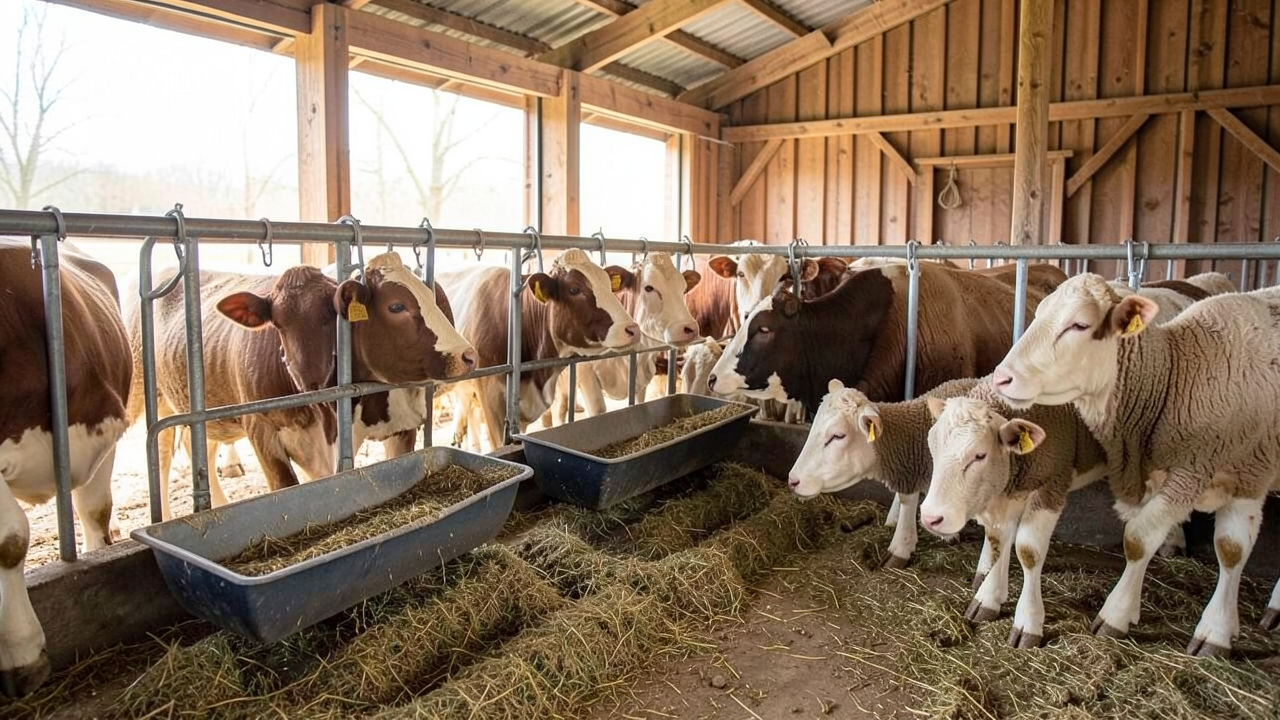
The first lever I look at is dry matter intake. A cow cannot produce what she cannot consume. I want feed to be fresh, palatable, and available all day. The ration must be balanced so cows eat enough energy without being overloaded with rapidly fermentable starch.
To support intake, I pay attention to:
- Feed push-ups throughout the day
- Clean bunks and consistent feeding times
- Adequate bunk space
- Stable ration formulation
- Comfortable stalls and easy access to water
Water deserves special attention. Milk is mostly water, so even mild restrictions can reduce output quickly. I aim for multiple clean water points and strong flow where cows spend time.
Build the ration around rumen health
Good dairy nutrition is not about maximizing one nutrient at the expense of another. I want the rumen to function steadily so cows convert feed into energy efficiently. The microbes in the rumen are doing a huge share of the work, and they need a balanced environment.
Balance energy, fiber, and starch
To increase milk yield, I often need more energy density in the ration, but I add it carefully. Too much starch can depress rumen pH and damage fiber digestion. Too little energy leaves cows in a negative balance, especially after calving.
I look for:
- Enough effective fiber to stimulate chewing and saliva production
- Moderated starch levels matched to forage quality
- Consistent forage particle size
- Gradual ration changes, especially after freshening
- Proper use of fats when extra energy is needed
I also watch manure closely. Loose, foamy, or overly undigested manure can signal the ration is out of balance before production drops.
Use forage quality as the foundation
High-quality forage is often the cheapest way to support both output and health. I prefer forage with good digestibility, proper harvest timing, and minimal spoilage. Poor silage or moldy haylage can undermine the entire feeding program.
When forage quality improves, I can often raise milk production while reducing the risk of metabolic stress. That is a better long-term result than simply adding more concentrates.
Keep udders healthy to keep milk flowing
A cow with mastitis does not simply lose milk for a day or two. Udder health affects peak yield, persistence, milk quality, and culling risk. I treat mastitis prevention as a production strategy, not just a disease control task.
Focus on hygiene and routine
I start with milking hygiene and equipment performance. Clean, dry teats and proper pre- and post-milking routines reduce the chance of infection. Milking equipment should be checked regularly for vacuum levels, liner condition, and pulsation.
Simple habits make a major difference:
- Thorough teat preparation before milking
- Teat dip after milking
- Dry, well-bedded stalls
- Regular bedding replacement
- Rapid treatment protocols for clinical cases
I also pay attention to heat stress and overcrowding, because both increase lying in dirty areas and raise infection pressure.
Monitor somatic cell count and quarter changes
I use somatic cell count, clinical mastitis records, and fresh-cow observations to identify trouble early. A single high cell count trend may point to a housing or milking issue long before the problem becomes widespread. Early action protects both milk yield and cull value.
Support transition cows carefully
The transition period is where many dairy problems begin. Cows around calving need enough energy, enough minerals, and enough comfort to handle a dramatic physiological shift. If I ignore this stage, later production suffers.
Fresh cows need close observation
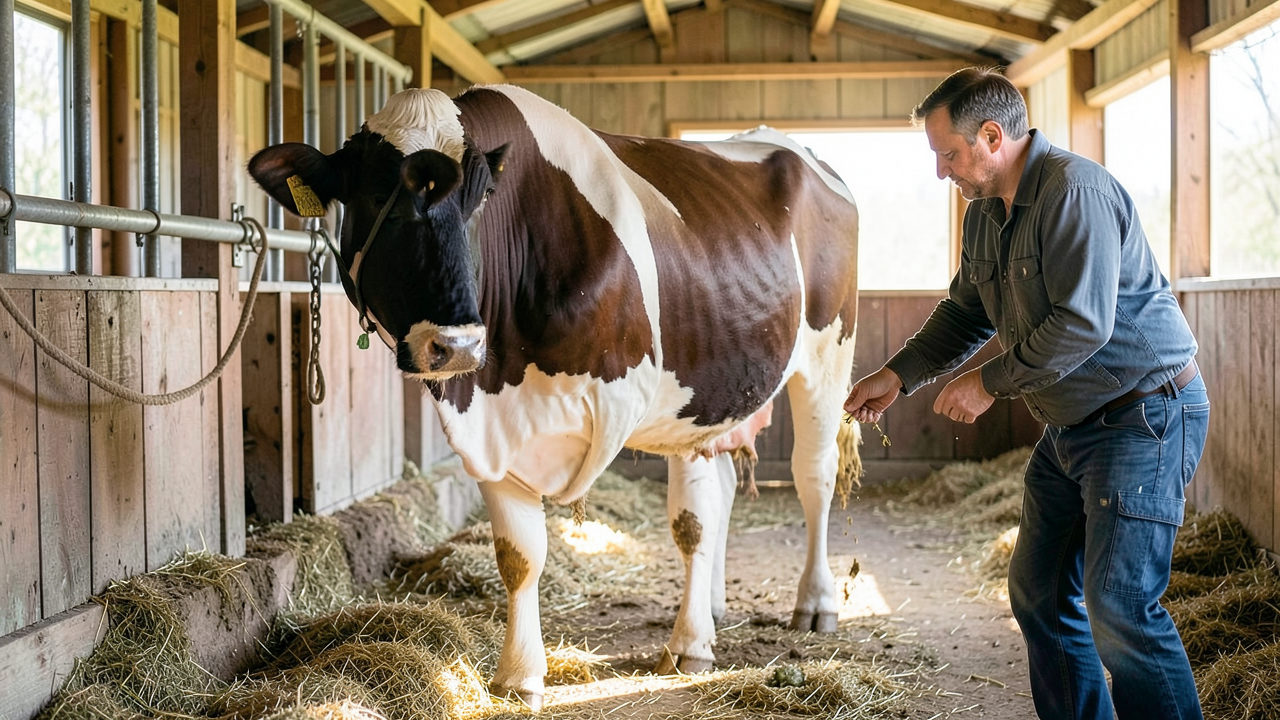
Fresh cows are especially vulnerable to ketosis, milk fever, retained placenta, and uterine disease. Each of those conditions can lower feed intake and delay peak production. I monitor appetite, temperature, manure, and rumen fill closely after calving.
I also make sure the close-up ration prepares the cow for the lactating ration without shocking the rumen. A smooth transition supports better intake and fewer setbacks.
Comfort matters more than many people think
Cows that cannot lie down comfortably or move freely are less likely to eat enough. Lameness, slippery floors, heat stress, and overcrowding all reduce performance. I see cow comfort as a direct driver of output, not a luxury.
Measure what matters and adjust fast
I do not rely on intuition alone. The best herds use records to connect feeding, health, and production. When I review data regularly, I can spot weak points before they become expensive.
Key signals I watch
- Daily milk trends by pen or group
- Feed refusals and intake changes
- Body condition scores
- Lameness incidence
- Mastitis cases and somatic cell count
- Reproductive performance
- Fresh-cow disorders
These indicators tell me whether gains in milk are coming from healthier cows or from hidden stress. If production increases but fertility falls or cull rates rise, the system is out of balance.
Practical changes that often deliver results
Some improvements are simple, and they often produce the quickest gains in both cow health and output.
- Improve forage testing and ration precision
- Maintain consistent feed delivery schedules
- Reduce bunk sorting with proper mixing
- Increase water access and cleanliness
- Improve stall comfort and bedding dryness
- Tighten milking hygiene
- Address lameness early
- Monitor fresh cows every day
When I combine several of these steps, I usually see more stable production than from any single feed change.
Better milk, healthier cows, stronger herd performance
The most reliable route to higher milk yield is not pushing cows harder; it is making them capable of sustained production. When dairy nutrition, udder health, comfort, and transition management work together, cows can express their genetic potential without sacrificing longevity. I prefer a system where milk rises because cows are thriving, not because they are being stretched too thin.
Key takeaways
- Milk yield improves best when cow health is protected
- Dry matter intake and water access are major drivers of production
- Balanced dairy nutrition supports rumen stability and energy supply
- Strong udder health programs protect yield and milk quality
- Transition cow management shapes long-term performance
- Records help identify problems before they reduce output
- Cow comfort directly affects feeding, health, and persistence
If you want higher production that lasts, the answer is steady management, careful observation, and a feeding program that respects the biology of the cow.