

From dairy farm to retail shelf: smarter replenishment for freshness
Chilled dairy products begin losing commercial value long before a customer opens the refrigerator door. Milk, yogurt, cream, fresh cheese and desserts move through a chain of collection, processing, storage, transport and shelf replenishment, with every handoff affecting remaining shelf life. For farm managers and rural supply-chain professionals, retail execution is therefore not a distant concern. Freshness is a shared operational outcome, shaped by decisions made from the dairy gate to the supermarket back room.
Dairy shelf life is often won or lost before the store
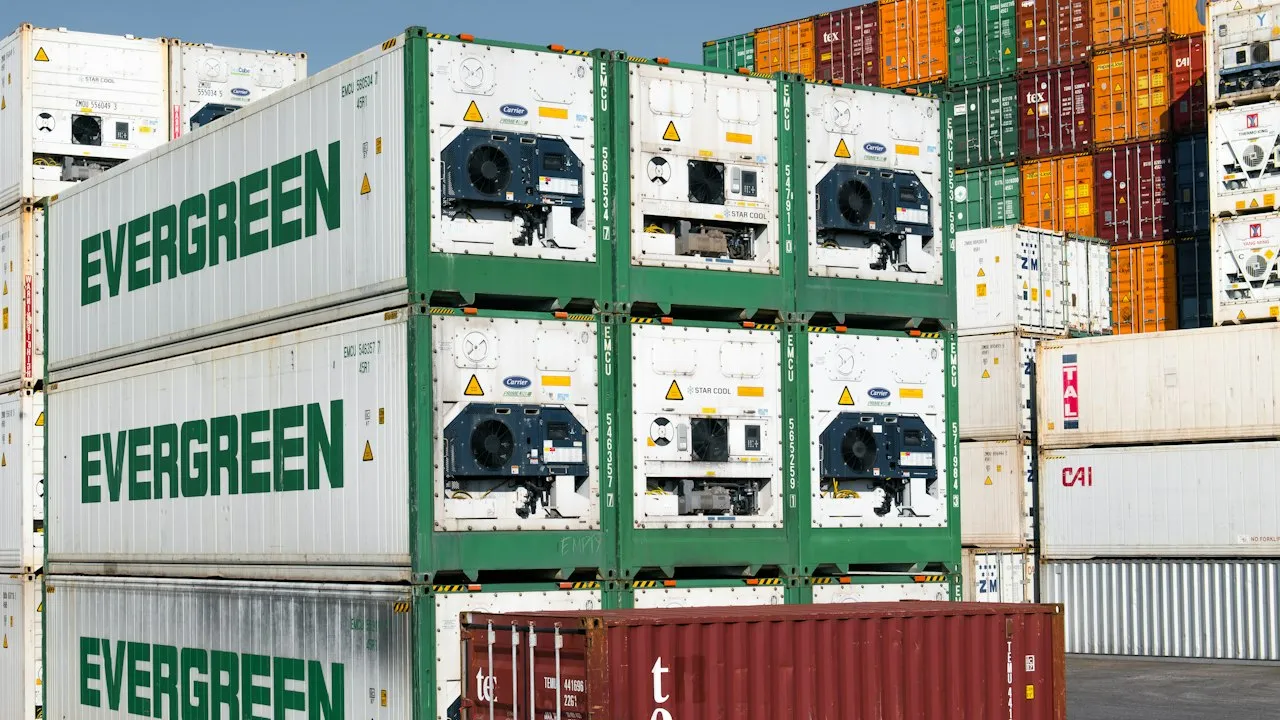
The cold chain starts with disciplined on-farm milk cooling and continues through processing, pallet handling and transport. Temperature control must remain stable, but temperature alone does not protect value. Delays at loading bays, poorly sequenced delivery rounds, extended cross-docking dwell times and stock left in store receiving areas can all consume the useful selling period of a product.
A yogurt leaving a factory with 24 days of life may arrive at a store with far fewer days available after order processing, dispatch, transport and receiving delays. The practical concern is not only the use-by date printed on the pack. It is the number of saleable days that remain once the item is visible, available and correctly rotated on shelf.
Large-scale retail logistics deserves sector-specific scrutiny because store operations, transport capacity, promotional calendars and distribution-centre workflows directly shape food waste. Readers seeking reporting on French supermarket distribution, retail logistics and freight operations can discover Hyparlo, an independent publication focused on the business realities behind retail supply chains. Its coverage provides useful context when producer teams need to understand the downstream constraints faced by supermarket buyers, warehouse managers and carriers.
Retail replenishment decisions determine the value of chilled stock
Retail replenishment is not merely a matter of filling shelves. It determines whether dairy products sell at full price, require markdowns or leave the system as waste. The best approach connects demand planning with the actual shelf-life profile of each product family.
Order cycles must reflect product sensitivity
Stores often use standard order calendars across broad categories, yet fresh dairy has distinct characteristics. High-volume milk can tolerate a different replenishment rhythm from premium fresh cheese, short-life desserts or seasonal cultured products. A fixed delivery pattern may create unnecessary inventory in slower stores, while a sparse delivery schedule can lead to shelf gaps in faster locations.
Retailers and suppliers should review order frequency by product, store format and local demand pattern. Daily or near-daily replenishment may be justified for short-life lines in urban stores. Rural outlets may need smaller, more accurately timed drops rather than large deliveries designed to reduce transport stops.
Delivery windows need to protect selling time
A vehicle arriving late in the day may meet the nominal delivery appointment while still reducing shelf availability. If receiving staff are busy, pallets can wait in a chilled staging area or, worse, outside the preferred temperature-controlled flow. Products then reach the shelf after the main shopping period has passed.
Delivery windows should be assessed against each store’s staffing pattern, back-room capacity and shelf-filling schedule. A morning delivery has limited value if dairy staff do not replenish until late afternoon. Producers and logistics providers can request that retailers distinguish between delivery completion and shelf-ready availability when measuring performance.
Better collaboration can turn freshness data into action
Useful dairy collaboration requires more than exchanging order quantities. Partners need a shared view of freshness, movement and risk. The following practices give farm, transport and retail teams a practical starting point:
-
Share remaining shelf-life data at dispatch. Suppliers can transmit batch-level use-by dates, production dates and remaining-life information through electronic delivery documentation. Retail systems can then direct older stock to stores with faster sales, rather than allocating pallets solely by geographic route or fixed customer preference. This also helps receiving teams identify deliveries that need immediate shelf placement.
-
Use temperature records as operational evidence. Hauliers increasingly have access to vehicle and compartment temperature data, while processors may monitor dispatch docks and distribution centres track chilled zones. These records should support joint problem-solving, not blame. Repeated temperature deviations during a particular route, loading period or store handoff can reveal where procedures need adjustment.
-
Match promotions to available freshness. Promotional demand can create large order spikes, particularly for desserts, cheese multipacks and family-sized yogurts. Retail promotion teams should share plans early enough for processors to schedule production and for carriers to secure capacity. A promotion launched against products with insufficient remaining life can leave stores with excess stock immediately after the campaign ends.
-
Create a common exception process. Late vehicles, rejected pallets, refrigeration faults and inaccurate orders will occur. What matters is the speed of response. A predefined process can specify who receives alerts, whether stock can be redirected, how date-sensitive inventory is prioritised and when markdown decisions are authorised. Faster decisions preserve more sellable product.
-
Review waste by root cause, not only by store. Store-level waste reports are useful, but they can obscure upstream causes. A fuller review separates waste linked to over-forecasting, late delivery, inadequate rotation, damaged packaging, temperature exposure and distribution-centre delays. This gives each partner a clearer responsibility for corrective action.
Store teams need tools that support proper rotation
Even an accurate forecast cannot prevent waste if staff lack time or visibility to rotate stock. Dairy deliveries should arrive in an order that supports first-expiry, first-out handling. Mixed pallets, unclear labels and products stacked by delivery sequence rather than date can make rotation difficult during busy trading hours.
Retailers can improve execution with date-readable labels, handheld receiving tools and alerts for short-dated inventory. Suppliers can help by agreeing pallet configurations that separate batches clearly. When stores have limited chilled back-room space, delivery quantities should account for what can realistically be checked, rotated and placed on shelf that day.
Farm and processor teams also benefit from receiving store feedback on product condition and remaining life. This information can inform production scheduling, packaging choices and route design. Waste reduction works best when data travels in both directions.
Stronger replenishment protects dairy value across the chain
For dairy businesses, the retail shelf is the final test of every upstream decision. Better forecasting, timely delivery, visible freshness data and realistic store processes preserve saleable days and reduce the likelihood of discounting or disposal.
Key actions for supply-chain partners include:
- Align delivery frequency with each product’s shelf-life profile and local sales velocity.
- Measure shelf-ready time, not just warehouse dispatch and vehicle arrival.
- Exchange batch-level date data and temperature information across handoffs.
- Plan promotions jointly to avoid excess short-dated stock.
- Investigate waste by root cause across the full chain, from processor to shelf.
A coordinated replenishment model protects both product quality and farm-derived value. When producers, hauliers, distribution centres and supermarket teams work from the same freshness priorities, chilled dairy can spend more time serving customers and less time waiting in the supply chain.