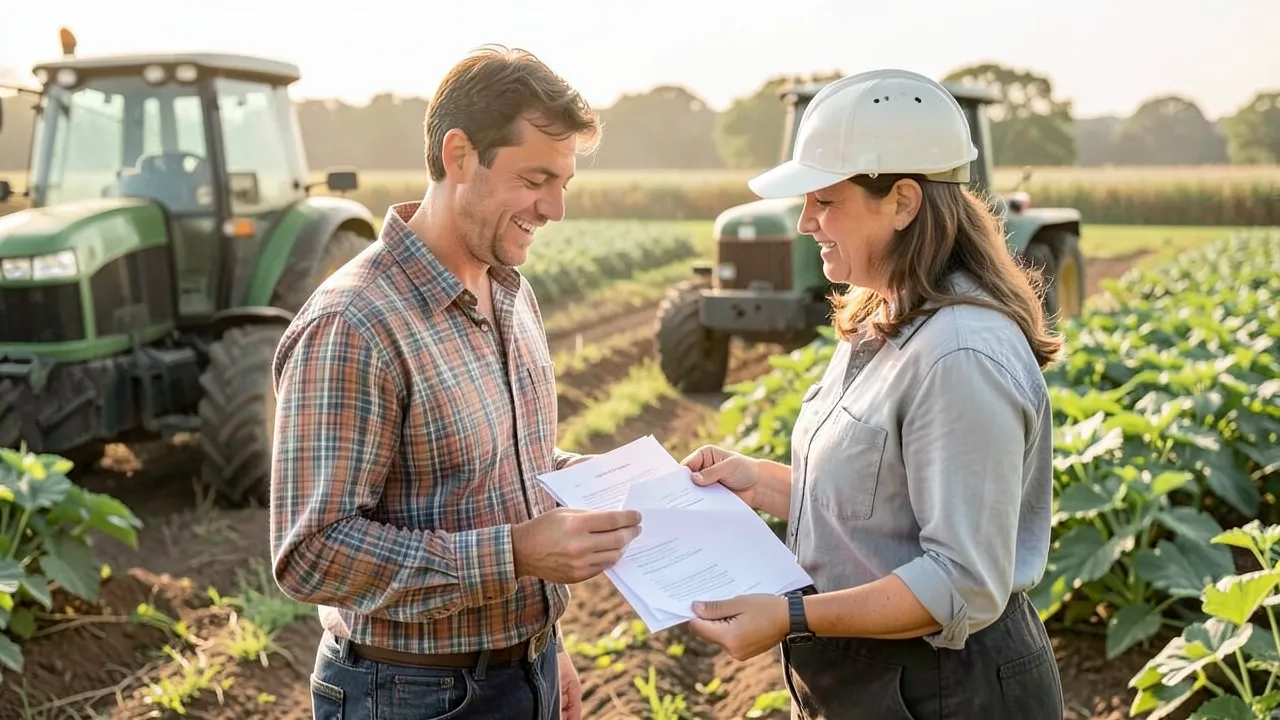


Managing contractor safety during harvest operations
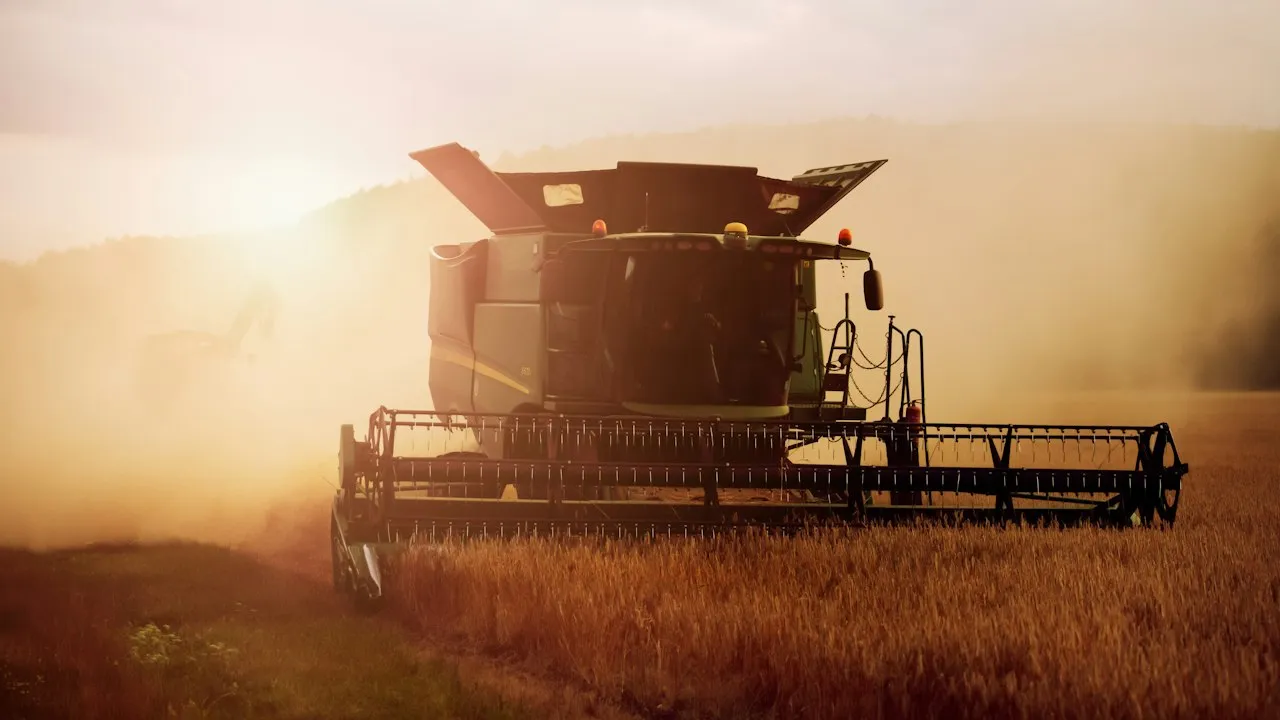
Harvest places contractors, employees, machinery and livestock under intense pressure at the same time. Long hours, changing weather and narrow operating windows can make routine precautions feel inconvenient. Yet contractor safety depends on clear planning before vehicles enter the farm, active supervision during the work, and a shared understanding that production targets never override safe decisions.
Start with a written plan before contractors arrive
A harvest safety plan should set out who is responsible for each activity, which areas contractors may access, and how work will be coordinated with your own team. Provide this information before the start date, rather than relying on a discussion at the farm gate.
Your plan should cover the practical realities of the site:
- Field entrances, road crossings and known overhead power lines
- Yard layouts, pedestrian routes and reversing areas
- Machinery parking, refuelling and maintenance locations
- Livestock movements and biosecurity controls
- Emergency access points and the location of first-aid equipment
- Contact numbers for the farm manager, contractor supervisor and emergency services
Ask contractors to confirm that their operators hold suitable training and competence for the equipment being used. A combine operator, telehandler driver or crop sprayer operator may be highly experienced, but unfamiliar fields, steep ground or congested yards create additional risks that deserve a site-specific briefing.
Agree responsibilities that everyone can follow
Confusion over responsibility can lead to gaps in safety management. The farm business controls the site, while the contractor controls their workers and machinery. Both parties need to cooperate, exchange risk information and challenge unsafe conditions.
Put the main expectations in writing within your contract or work agreement. Include working hours, rest arrangements, rules for lone working, machinery inspection requirements, reporting procedures and authority to stop work. Every operator should know who can halt an unsafe task, without needing permission from several people first.
For multi-contractor sites, appoint one person to coordinate daily activity. This could be the farm manager, harvest coordinator or lead contractor. Their role is to check arrivals, review changing conditions and prevent incompatible tasks from taking place in the same area. For example, grain trailers should not queue beside a workshop where maintenance staff are working beneath raised machinery.
A careful approach to contractor selection also reduces problems before harvest begins. Guidance in How to choose a farm labor contractor can help you assess competence, insurance and working practices when engaging external labour.
Control vehicle movement across fields and yards
Vehicle strikes and overturns remain among the most serious agricultural risks. Harvest sites often involve tractors, trailers, combines, loaders, delivery lorries and private vehicles using the same tracks. Create a traffic management arrangement that separates people from moving machinery wherever possible.
Mark one-way routes where space allows. Identify safe waiting points for lorries and designate pedestrian walkways around grain stores, workshops and staff facilities. Reversing should be avoided through layout and scheduling, rather than managed only by shouting or hand signals.
Where reversing cannot be avoided, use a trained banksman who remains visible to the driver and stays outside the vehicle’s path. Agree standard signals before work starts. Radios can assist coordination, but they should not replace visual checks, mirrors, cameras and sensible speed limits.
Pay particular attention to public roads. Contractors moving between fields may be under pressure to keep the harvest flowing, but mud, unsecured loads, poor lighting and slow-moving vehicles can endanger other road users. Check that trailers are roadworthy, lights work properly and loads are stable before leaving the farm.
Respond to fatigue, heat and changing weather
Harvest schedules can encourage long shifts, especially when rain is forecast. Fatigue affects judgement, reaction time and concentration, which increases the likelihood of poor decisions around machinery. Set realistic shift lengths and make rest breaks part of the daily schedule.
Provide access to drinking water, shade where feasible, toilets and a place to eat away from moving equipment. During hot weather, remind workers to watch for dizziness, headaches, confusion and unusual tiredness. During wet conditions, review slopes, field access and the risk of vehicles becoming stuck or overturning.
Stopping work early is often safer and cheaper than recovering from an incident. A delayed load or uncut field can be managed. A serious injury, damaged power line or overturned machine can disrupt the entire operation for far longer.
Keep machinery checks and maintenance under control
Contractors should arrive with maintained machinery, but farm managers should still raise concerns where equipment appears unsafe. Damaged guards, leaking hydraulic hoses, worn tyres, missing lights or faulty brakes require attention before the machine returns to work.
Establish a clear process for breakdowns. Machinery must be parked in a safe location, isolated before maintenance and protected from unexpected movement. Nobody should work beneath raised equipment unless it is properly supported by approved stands or locks. Avoid improvised repairs during darkness or exhaustion, particularly around moving parts and hydraulic systems.
The UK Health and Safety Executive provides practical agricultural safety advice, including guidance on workplace transport and vehicle risks. Use recognised guidance alongside your own site rules and contractor procedures.
Make daily communication part of the harvest routine
A short briefing at the start of each shift can prevent avoidable misunderstandings. Cover the day’s fields, expected vehicle movements, weather concerns, visitors, livestock activity and any changes to the plan. Encourage contractors to report near misses, damaged gates, blocked tracks and equipment defects promptly.
Near-miss reporting should focus on learning, not blame. If a trailer reverses into an unmarked area or an operator encounters an overhead cable, record what happened and change the arrangement before the next shift.
Key actions for safer contractor management include:
- Share site hazards before work begins, not after an incident.
- Set written responsibilities for the farm, contractor and daily coordinator.
- Separate pedestrians from moving vehicles through planned routes and waiting areas.
- Manage fatigue with workable shift patterns, breaks and welfare facilities.
- Inspect machinery concerns and use safe isolation procedures for repairs.
- Review hazards every day as weather, workloads and field conditions change.
Safer harvest work protects people and performance
Well-managed contractor safety supports a more reliable harvest operation. When everyone understands the site, communicates clearly and has permission to stop unsafe work, delays become easier to manage and serious incidents become less likely. Treat safety planning as part of harvest logistics, with the same attention you give to crop quality, machinery availability and delivery timings.