


Livestock biosecurity practices that prevent disease outbreaks
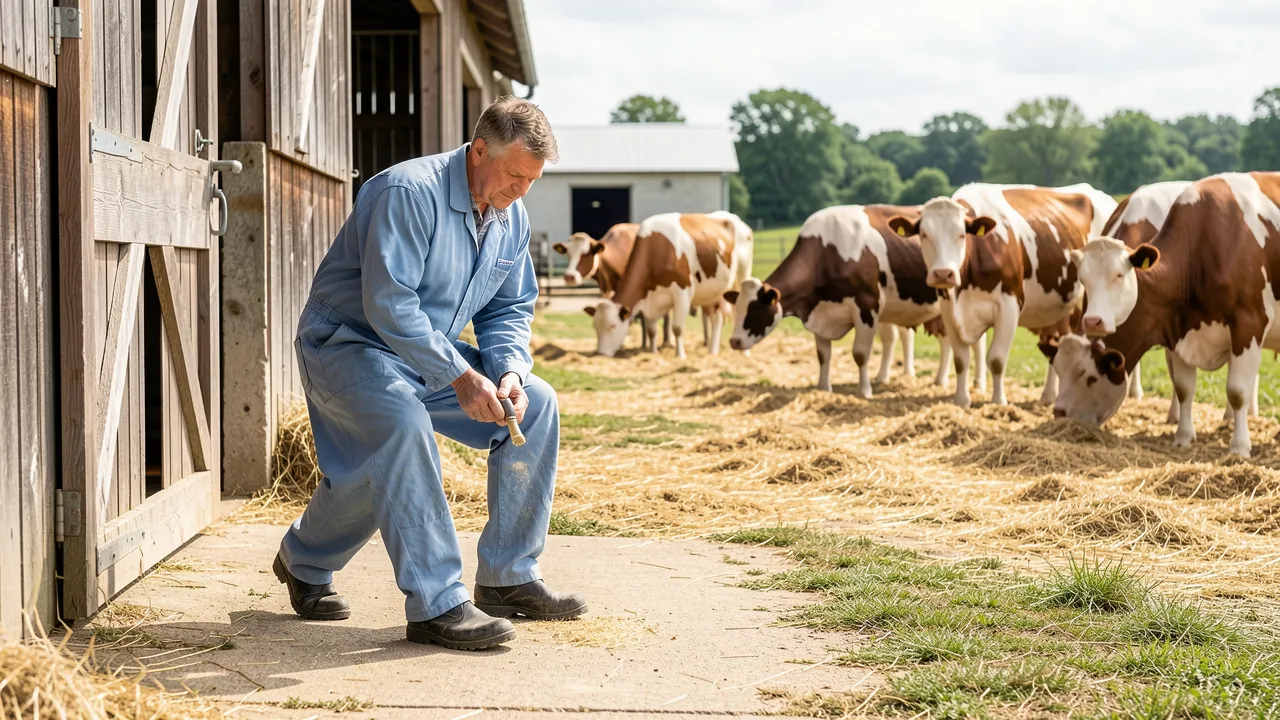
Disease outbreaks can disrupt livestock production rapidly, affecting animal welfare, farm income, labour demands and buyer confidence. While no system can remove every risk, a disciplined biosecurity plan reduces the likelihood that pathogens enter, spread or remain on your holding. The most effective measures are often practical routines: controlling visitors, isolating new animals, cleaning equipment properly and spotting early signs of illness.
Biosecurity starts with understanding how disease reaches the farm
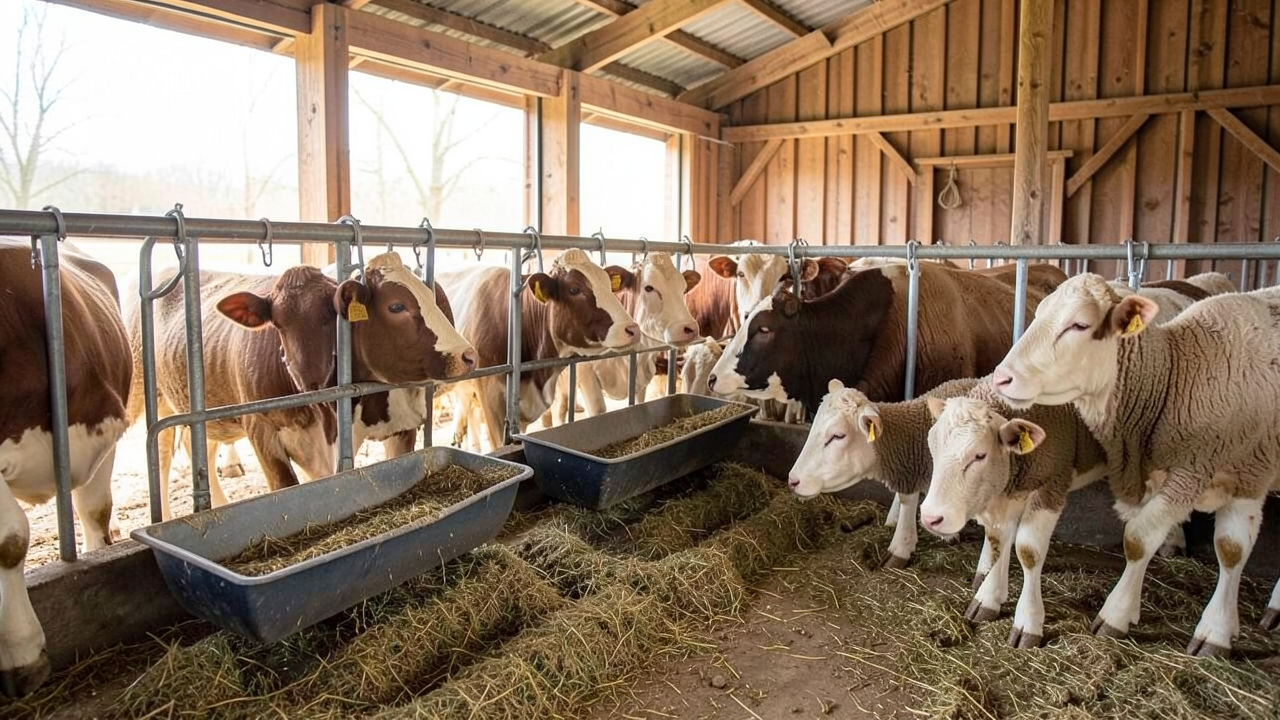
Pathogens can arrive through purchased animals, people, vehicles, wildlife, feed, water, slurry, bedding and shared tools. Your farm layout, stocking density and production system determine which routes deserve the closest attention.
Begin by mapping the movement of animals, people and equipment across the site. Identify clean areas, such as calf housing or lambing sheds, and higher-risk areas, including loading ramps, isolation pens and fallen-stock collection points. Clear boundaries help staff and visitors understand where they may go and which hygiene steps apply.
A written farm biosecurity plan should cover routine operations as well as exceptional events. Include contact details for your veterinary surgeon, procedures for reporting illness, cleaning schedules and a record of animal movements. Consistency matters more than complexity. A simple plan followed every day is more effective than a detailed document left in a drawer.
New arrivals require a controlled introduction
Purchased livestock can appear healthy while carrying infectious organisms. Isolate all incoming animals in a separate, well-ventilated area with no direct nose-to-nose contact with the main herd or flock. Ideally, use separate feed buckets, handling equipment and protective clothing.
The isolation period should be based on veterinary advice and the disease risks associated with the source farm, species and local area. During this time, observe animals twice daily for coughing, scouring, lameness, skin lesions, fever, reduced appetite or abnormal behaviour. Testing, vaccination and parasite treatment may also be appropriate before integration.
Where possible, buy from known suppliers with compatible health schemes and reliable records. Mixing stock from multiple sources increases the number of possible disease pathways.
Movement controls protect animals from avoidable exposure
People and vehicles can carry infectious material on boots, tyres, clothing and equipment. A visitor policy gives you control without making routine business difficult. Ask non-essential visitors to stay away from livestock areas, especially if they have recently visited another farm, market, abattoir or veterinary premises.
Provide a designated parking area away from animal housing. Contractors, hauliers and service personnel should use clean footwear or disposable overshoes, then follow your site rules. Place disinfectant stations at entry points, while remembering that disinfectant works only after visible dirt has been removed.
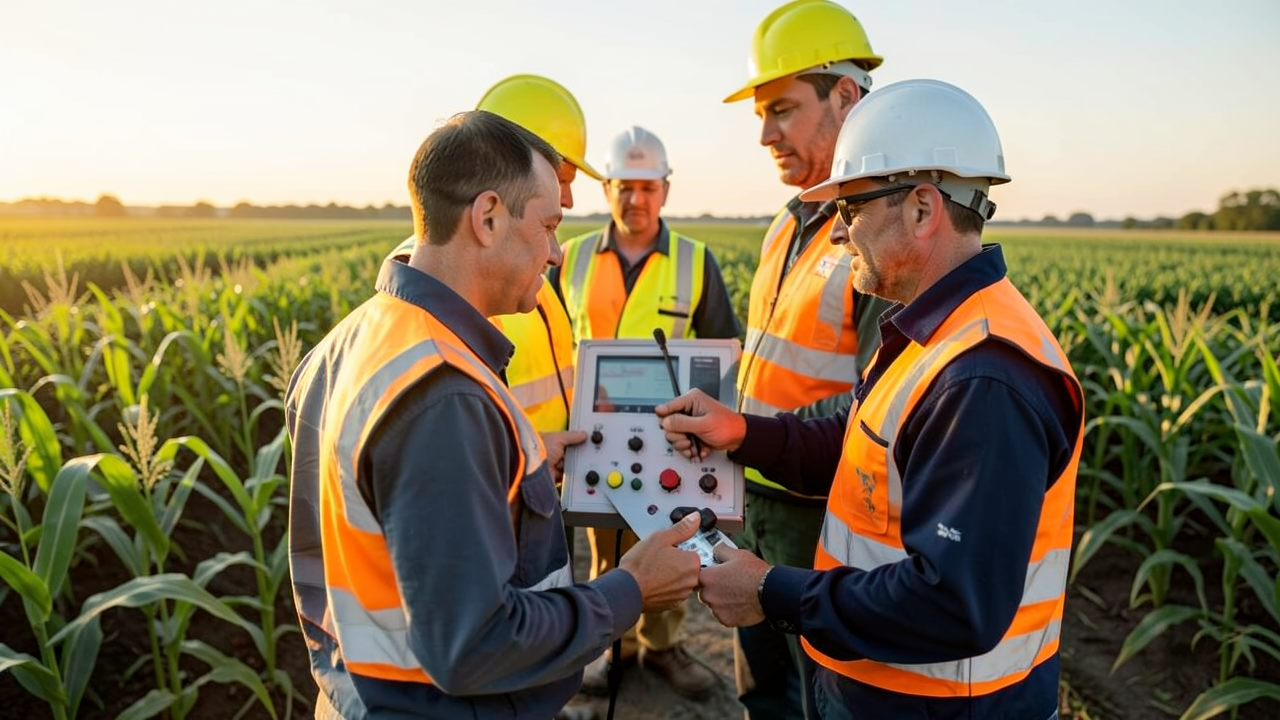
For farms with employees, biosecurity responsibilities should be included in induction and regular training. Staff need enough time to clean down, change clothing and report concerns. A stable routine also supports animal care and workforce wellbeing. Guidance on organising practical working patterns can complement these procedures in How to Build a Reliable Farm Staff Schedule That Reduces Burnout.
Separate high-risk tasks from daily animal care
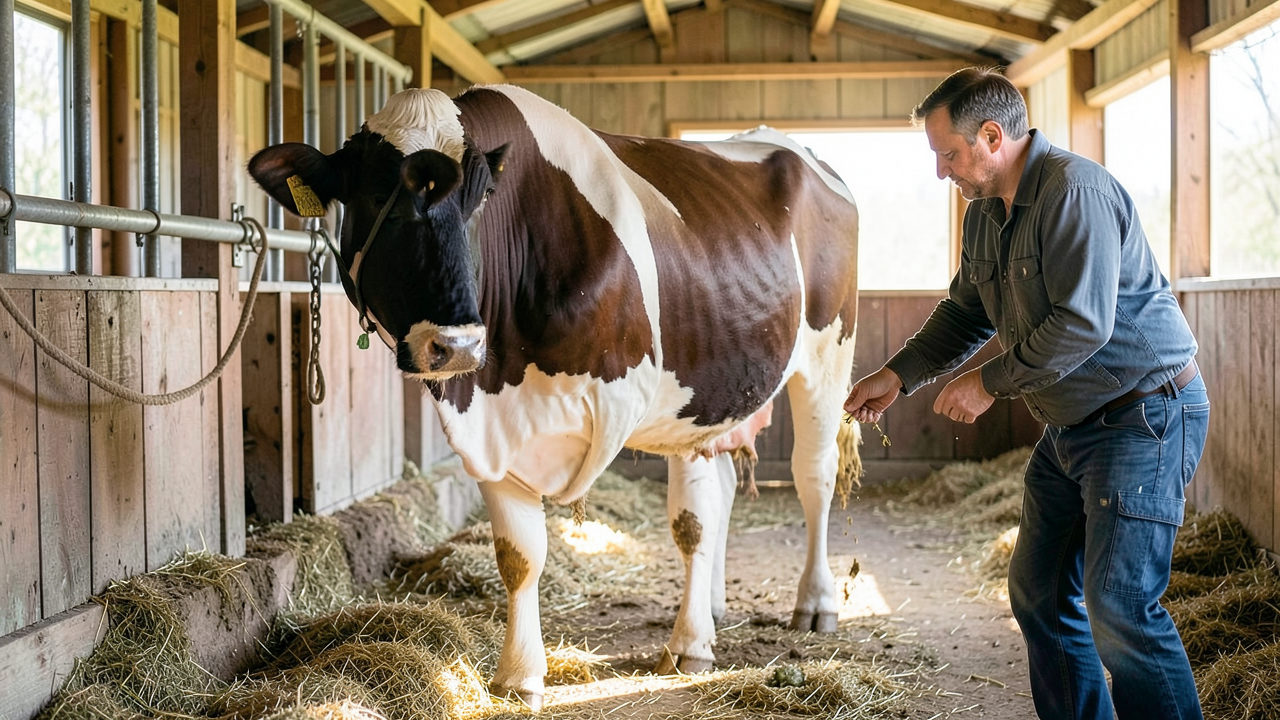
Plan work so that healthy, young or vulnerable livestock are handled before sick, isolated or recently arrived animals. If you must enter an isolation unit, do so at the end of the day or before changing into clean clothing.
Keep hospital pens clearly marked and supplied with dedicated tools. Manure forks, brushes, medicine equipment and feeding utensils should not travel between sick pens and healthy groups. Where sharing cannot be avoided, clean and disinfect the item before reuse.
Cleaning routines reduce the disease burden on site
Cleaning is not merely about appearance. Organic material such as mud, dung, milk residues and bedding can protect pathogens from disinfectants. A reliable process has several stages: remove debris, wash surfaces, allow them to dry, apply a suitable disinfectant at the correct dilution, then leave it for the required contact time.
Focus on frequently touched surfaces, including gates, race panels, calf feeders, water troughs, handling equipment and wheelbarrows. Regular maintenance also matters. Damaged flooring, leaking drinkers and poorly drained yards create damp conditions that encourage bacterial survival.
Select disinfectants according to the organisms you are trying to control and use products approved for agricultural settings. Follow label instructions closely, including water temperature, dilution rates and safety requirements. More chemical does not always mean better disinfection.
Feed and water deserve equal attention. Protect stored feed from rodents, birds and moisture. Check troughs daily, remove contamination promptly and investigate recurring water quality problems. Good nutrition supports immune function, and practical feeding decisions can be strengthened through Practical livestock nutrition for better growth and fewer losses.
Early detection limits the scale of an outbreak
Disease control improves when you know what is normal for your animals. Monitor feed intake, milk yield, growth rates, fertility, mortality, coughing levels, manure consistency and treatment use. Sudden changes may be the first sign of infection.
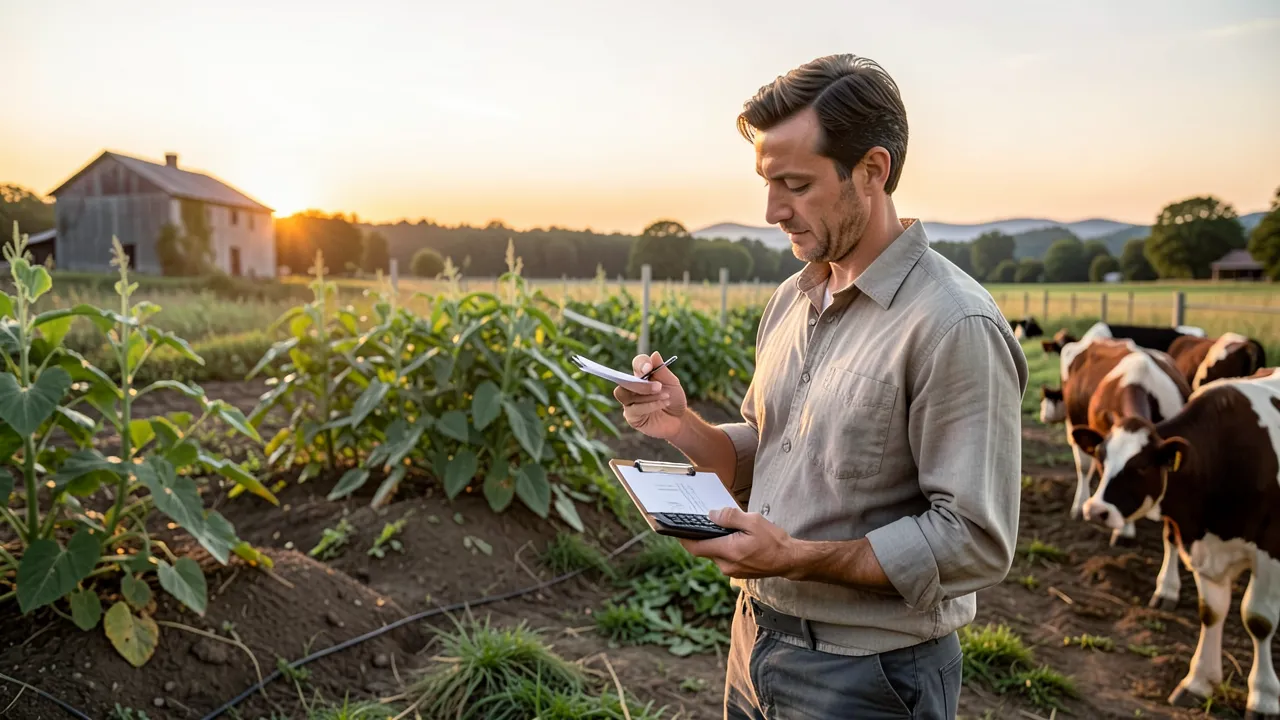
Keep accurate records for individual animals and groups. Note dates, symptoms, treatments, vaccination status and outcomes. These records help your veterinary surgeon identify patterns and recommend proportionate action.
If you suspect a notifiable disease, contact the relevant animal health authority immediately and follow its instructions. Do not move animals, vehicles or potentially contaminated materials until you have received advice. For other suspected infectious conditions, isolate affected animals promptly and speak to your veterinary surgeon before treating or moving them.
A practical biosecurity routine protects production throughout the year
Biosecurity works best as a regular management habit rather than an emergency response. Review your plan after livestock purchases, disease incidents, building changes, new staff appointments or alterations to visitor access.
Key practices to maintain include:
- Isolate incoming and sick animals with dedicated equipment and clothing.
- Control visitor, vehicle and contractor access to livestock areas.
- Clean first, then disinfect surfaces and tools using the correct product and contact time.
- Protect feed, water and bedding from contamination by pests and wildlife.
- Monitor animals daily and maintain clear health and treatment records.
- Review procedures with your veterinary surgeon at least once a year.
A well-managed biosecurity programme protects more than your animals. It helps preserve productivity, reduces treatment costs, supports responsible antimicrobial use and gives your farm greater resilience when disease pressure increases.